

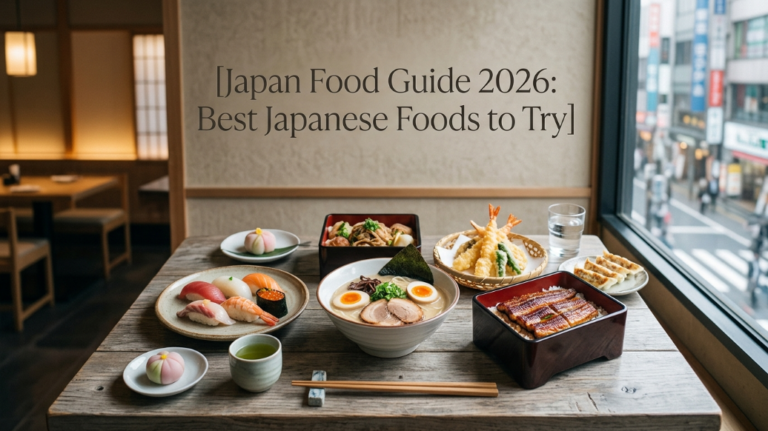
Japan Food Guide helps you discover the rich flavors of Japan through fresh seafood, comforting noodle dishes, seasonal meals, and local specialties. Whether you are planning your first visit or returning to explore more regions, this guide explains what to eat, where to find it, and how to enjoy every meal. Moreover, you will learn simple dining customs, helpful travel tips, and practical advice that make every food experience more enjoyable.
Japan offers one of the world’s most respected food cultures because every meal values quality, freshness, and careful preparation. Furthermore, each region proudly serves dishes that reflect its history, climate, and local ingredients. As a result, travelers can enjoy everything from affordable street food to elegant fine dining without feeling overwhelmed. This guide covers the foods, drinks, and experiences that deserve a place on every travel itinerary.
Why Japanese Food Is Loved Around the World
Featured Snippet:
Japanese food is famous for its fresh ingredients, balanced flavors, beautiful presentation, and seasonal cooking. Travelers enjoy healthy meals, regional specialties, and unforgettable dining experiences that range from casual street food to world-class restaurants.
Japanese cuisine focuses on natural flavors instead of heavy seasoning. Therefore, every ingredient plays an important role in creating a balanced meal. Rice, seafood, vegetables, noodles, and soy-based products appear in many traditional dishes.
Moreover, Japanese chefs often prepare food with great attention to detail. Every plate looks attractive, while every ingredient keeps its original taste. As a result, meals become both delicious and memorable.
Fresh Seasonal Ingredients
Japan celebrates every season through food. Spring brings fresh bamboo shoots and strawberries, while summer offers light noodle dishes and grilled seafood.
Meanwhile, autumn is known for mushrooms and sweet potatoes. Winter also introduces warming hot pots, fresh crab, and rich soups that comfort travelers during cold weather.
Beautiful Food Presentation
Japanese meals are carefully arranged before serving. Therefore, even simple dishes often look like works of art.
In addition, restaurants select bowls, plates, and serve dishes that match the season. This thoughtful presentation makes every meal feel special.
Japan Food Guide: Must-Try Japanese Foods
Every traveler should experience Japan’s most famous dishes at least once. Furthermore, many of these meals are easy to find throughout the country.
The table below introduces some of Japan’s most popular foods.
| Dish | Main Ingredients | Best Known Region |
| Sushi | Rice and seafood | Tokyo |
| Ramen | Noodles and broth | Fukuoka, Sapporo |
| Tempura | Seafood and vegetables | Tokyo |
| Udon | Thick wheat noodles | Kagawa |
| Soba | Buckwheat noodles | Nagano |
| Takoyaki | Octopus balls | Osaka |
| Okonomiyaki | Savory pancake | Osaka, Hiroshima |
| Yakitori | Grilled chicken | Nationwide |
| Tonkatsu | Breaded pork cutlet | Nationwide |
| Kaiseki | Seasonal multi-course meal | Kyoto |
Sushi
Sushi is Japan’s most famous food around the world. Fresh fish, vinegared rice, and simple seasonings create its clean flavor.
Moreover, sushi restaurants range from casual conveyor-belt shops to luxury dining experiences. Travelers can choose according to their budget.
Ramen
Ramen is one of Japan’s favorite comfort foods. Rich broth, chewy noodles, sliced pork, eggs, and vegetables create a satisfying meal.
Furthermore, each city prepares ramen differently. Therefore, trying several regional styles adds excitement to every trip.
Tempura
Tempura includes seafood and vegetables coated in a light batter before frying. The result feels crispy without becoming heavy.
In addition, many restaurants serve tempura with rice or noodles. This makes it a filling lunch or dinner.
Udon
Udon noodles are thick, soft, and comforting. They are usually served in hot broth, although cold versions are popular during summer.
Meanwhile, simple toppings allow the noodles to remain the main attraction.
Soba
Soba noodles contain buckwheat, giving them a slightly nutty taste. They can be served hot or cold throughout the year.
Furthermore, many locals enjoy soba because it feels light yet satisfying.
Tonkatsu
Tonkatsu is a crispy breaded pork cutlet served with shredded cabbage and rice. The crunchy coating contrasts perfectly with the juicy meat.
Moreover, many restaurants prepare fresh tonkatsu after each order for the best texture.
Yakitori
Yakitori features chicken grilled over charcoal on small skewers. Different cuts provide different flavors and textures.
In addition, many travelers enjoy yakitori with local drinks during the evening.
Okonomiyaki
Okonomiyaki is often called a Japanese savory pancake. Cabbage, batter, meat, seafood, and sauces combine into one flavorful dish.
Meanwhile, some restaurants allow guests to cook the meal directly at their table, creating a fun dining experience.
Takoyaki
Takoyaki consists of small round balls filled with octopus and cooked until golden outside.
Furthermore, they are topped with savory sauce, mayonnaise, seaweed flakes, and bonito flakes before serving.
Kaiseki
Kaiseki represents traditional Japanese fine dining. Each course highlights seasonal ingredients and careful preparation.
As a result, travelers experience both Japanese culture and exceptional cuisine during one elegant meal.
Regional Food Specialties Across Japan
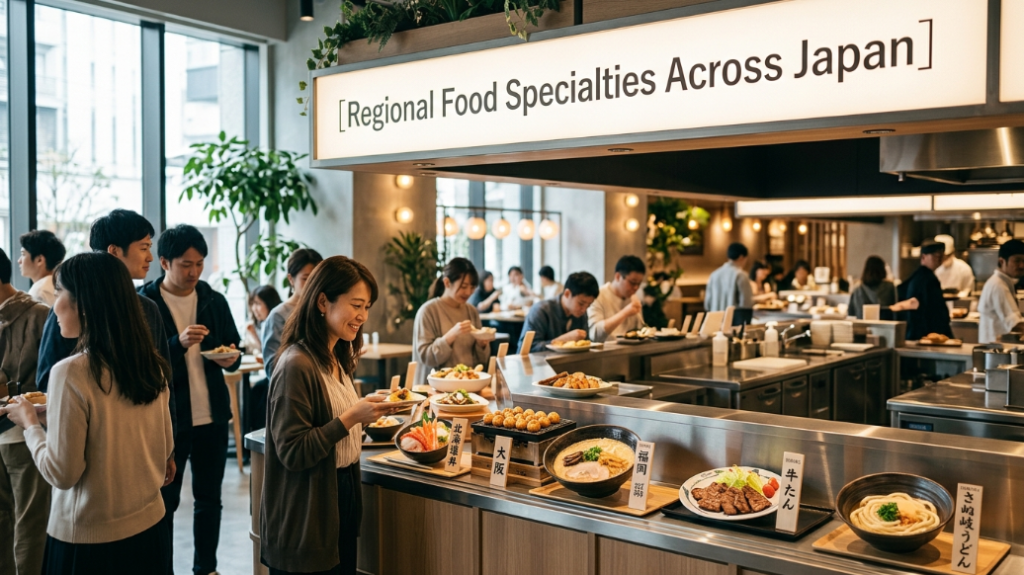
Food changes as you travel across Japan. Therefore, visiting different cities allows travelers to taste unique local dishes.
Each region proudly preserves recipes that have developed over many generations.
Tokyo
Tokyo combines traditional cooking with modern creativity. Fresh sushi, tempura, ramen, and seafood remain popular throughout the city.
Moreover, food markets and neighborhood restaurants offer excellent meals at different price levels.
Osaka
Osaka proudly calls itself Japan’s kitchen. Street food fills busy entertainment districts with delicious smells and lively energy.
Therefore, visitors should not miss takoyaki, okonomiyaki, kushikatsu, and grilled seafood.
Kyoto
Kyoto focuses on elegant seasonal cooking. Kaiseki meals, tofu dishes, and matcha desserts reflect centuries of culinary tradition.
Furthermore, many restaurants preserve traditional cooking methods that highlight local ingredients.
Hokkaido
Hokkaido is famous for seafood, dairy products, and rich ramen. Cold weather supports excellent crab, salmon, sea urchin, and fresh milk.
As a result, food lovers often consider Hokkaido one of Japan’s top culinary destinations.
Fukuoka
Fukuoka attracts travelers with rich tonkotsu ramen and lively food stalls. Fresh seafood also remains an important part of local cuisine.
Moreover, evening street dining creates a welcoming atmosphere for visitors.
Best Japanese Street Food
Featured Snippet:
Japanese street food offers affordable, fresh, and flavorful meals. Popular choices include takoyaki, yakitori, taiyaki, and grilled seafood, especially in Osaka, Fukuoka, festivals, and local food markets.
Street food gives travelers an easy way to taste local specialties without spending much money. Furthermore, many dishes are prepared directly in front of customers.
Food festivals and local markets also introduce seasonal snacks that may not appear in restaurants. Therefore, trying street food adds variety to every trip.
Takoyaki
Takoyaki remains one of Japan’s most famous street foods. Soft inside and crispy outside, each bite offers a rich flavor.
Yakitori
Fresh chicken skewers cook slowly over charcoal flames. Consequently, the smoky aroma attracts visitors from every direction.
Taiyaki
Taiyaki is a fish-shaped pastry filled with sweet bean paste, custard, chocolate, or cream.
Moreover, many travelers enjoy it as an afternoon snack while exploring historic streets.
Croquettes
Japanese croquettes contain mashed potatoes mixed with meat or vegetables before frying.
As a result, they become crispy outside and soft inside, making them popular among both locals and visitors.
Traditional Japanese Desserts
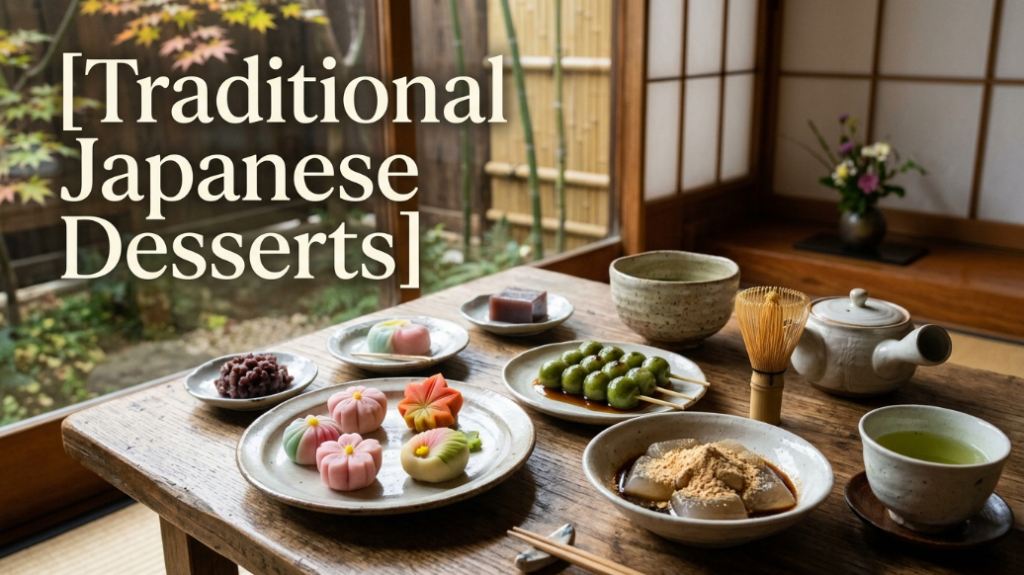
Japanese desserts are usually light, balanced, and made with seasonal ingredients. Therefore, they offer a refreshing finish after a savory meal. Many sweets also reflect centuries of Japanese culture and craftsmanship.
Moreover, dessert shops often change their menus with the seasons. As a result, travelers can enjoy unique flavors throughout the year.
Mochi
Mochi is a soft rice cake made from pounded glutinous rice. It has a chewy texture and comes with many fillings.
Furthermore, popular fillings include sweet red bean paste, strawberries, matcha cream, and ice cream. Many travelers enjoy mochi during festivals and special celebrations.
Dorayaki
Dorayaki features two soft pancakes filled with sweet red bean paste. The dessert is simple yet satisfying.
In addition, many bakeries now offer chocolate, custard, or whipped cream fillings for visitors who prefer modern flavors.
Matcha Ice Cream
Matcha ice cream combines creamy texture with the rich taste of green tea. It remains one of Japan’s most popular desserts.
Meanwhile, many cafés serve it alongside traditional sweets for a complete tea-time experience.
Taiyaki
Taiyaki is famous as both a street snack and a dessert. The fish-shaped pastry is baked until golden and crispy.
Moreover, fillings may include red bean paste, chocolate, custard, or sweet potato cream depending on the season.
Japanese Cheesecake
Japanese cheesecake has a light and fluffy texture. Unlike many Western cheesecakes, it feels airy and less sweet.
As a result, many travelers enjoy it with coffee or tea during an afternoon break.
Traditional Japanese Drinks
Japan offers drinks that perfectly match its food culture. Therefore, every meal can include a beverage that enhances the overall flavor.
Furthermore, traditional and modern drinks are available across the country.
| Drink | Best Time to Enjoy | Notes |
| Green Tea | Any time | Traditional daily drink |
| Matcha | Tea ceremonies | Rich green tea powder |
| Sake | Dinner | Traditional rice wine |
| Shochu | Evening | Distilled spirit |
| Japanese Whisky | Evening | Smooth and refined |
| Umeshu | Dessert | Sweet plum wine |
| Ramune | Summer | Popular fizzy soft drink |
Green Tea
Green tea is the most common drink in Japan. It accompanies meals without overpowering the food.
Moreover, restaurants often serve complimentary green tea with lunch or dinner.
Matcha
Matcha is finely ground green tea powder prepared with hot water. It offers a rich, earthy flavor.
Furthermore, visitors can enjoy matcha in traditional tea ceremonies, cafés, and dessert shops.
Sake
Sake is made from fermented rice and has been part of Japanese culture for centuries.
Meanwhile, it may be served warm or chilled depending on the season and the style of sake.
Japanese Whisky
Japanese whisky has earned worldwide recognition for its quality and smooth character.
As a result, many travelers visit local bars to sample different regional brands responsibly.
Dining Etiquette Every Visitor Should Know
Japanese dining customs show respect for food and those who prepare it. Therefore, learning a few simple rules creates a better experience.
Moreover, locals appreciate visitors who make an effort to follow these traditions.
Say “Itadakimasu”
Many Japanese people say “Itadakimasu” before eating. The phrase expresses gratitude for the meal.
Furthermore, saying it politely shows respect for the food and everyone involved in preparing it.
Use Chopsticks Properly
Chopsticks should never be placed upright in a bowl of rice. This action has ceremonial meaning.
Instead, place chopsticks neatly on the holder provided by the restaurant whenever you pause your meal.
Slurping Is Acceptable
Many visitors are surprised that slurping noodles is generally acceptable in Japan.
Moreover, some people believe it helps cool hot noodles while showing enjoyment of the meal.
Respect Restaurant Staff
Japanese service is polite and professional. Therefore, guests should also remain respectful and patient.
In addition, speaking quietly helps maintain the peaceful atmosphere found in many restaurants.
Best Food Markets to Visit
Food markets allow travelers to see fresh ingredients, local specialties, and regional products. Therefore, they offer an excellent way to experience Japanese food culture.
Furthermore, many markets open early and provide breakfast, snacks, and fresh seafood.
Tsukiji Outer Market, Tokyo
Although the wholesale fish market moved, Tsukiji Outer Market remains a favorite destination for food lovers.
Visitors can enjoy fresh sushi, grilled seafood, Japanese omelets, and seasonal snacks while exploring small shops.
Nishiki Market, Kyoto
Nishiki Market has served Kyoto for centuries. It offers local pickles, tofu, seafood, sweets, and traditional ingredients.
Moreover, many family-owned stores happily explain their products to visitors.
Kuromon Market, Osaka
Kuromon Market is known for fresh seafood, wagyu beef, fruit, and street food.
As a result, many travelers spend several hours tasting different specialties from one stall to another.
Hakodate Morning Market
Hakodate Morning Market in Hokkaido specializes in exceptionally fresh seafood.
Furthermore, visitors often enjoy seafood bowls filled with crab, salmon, scallops, and sea urchin.
Food Experiences You Should Not Miss
Eating in Japan goes beyond ordering meals. Therefore, unique food experiences become lasting travel memories.
Moreover, these activities help visitors understand Japanese traditions more deeply.
Enjoy an Omakase Meal
“Omakase” means leaving the menu choices to the chef.
As a result, every course highlights seasonal ingredients and the chef’s creativity.
Join a Tea Ceremony
Traditional tea ceremonies introduce visitors to Japanese hospitality and culture.
Furthermore, guests learn the careful preparation of matcha while enjoying peaceful surroundings.
Stay at a Traditional Ryokan
Many traditional inns serve multi-course kaiseki dinners using fresh local ingredients.
Moreover, these meals often become one of the highlights of a trip to Japan.
Take a Cooking Class
Cooking classes teach travelers how to prepare sushi, ramen, or traditional home-style dishes.
Therefore, visitors return home with practical cooking skills and unforgettable memories.
Budget for Food in Japan
Food costs in Japan vary depending on location and dining style. However, excellent meals are available for almost every budget.
Furthermore, convenience stores, casual restaurants, and local cafés offer delicious food at reasonable prices.
Budget Travelers
Budget travelers generally spend $20–$35 per day on food by choosing convenience stores, casual noodle shops, and affordable restaurants.
Moreover, many inexpensive meals still offer fresh ingredients and generous portions.
Mid-Range Travelers
Mid-range visitors typically spend $40–$80 per day while enjoying local restaurants, cafés, and occasional specialty meals.
As a result, they experience greater variety without significantly increasing daily expenses.
Luxury Dining
Luxury dining may exceed $100 per day, especially when choosing premium sushi, wagyu beef, or kaiseki restaurants.
Furthermore, advance reservations are often recommended for highly regarded dining experiences.
Vegetarian and Vegan Food in Japan
Vegetarian and vegan dining has become easier in many Japanese cities. Therefore, travelers now have more choices than ever before.
Moreover, larger cities continue adding plant-based restaurants and specialty cafés.
Shojin Ryori
Shojin Ryori is traditional Buddhist cuisine prepared without meat or fish.
Furthermore, these meals highlight seasonal vegetables, tofu, mushrooms, and grains with beautiful presentation.
Vegan Ramen
Several restaurants now prepare vegan ramen using vegetable-based broth.
As a result, travelers can enjoy a comforting bowl without animal products.
Plant-Based Sushi
Plant-based sushi often includes cucumber, avocado, pickled vegetables, mushrooms, and tofu.
Moreover, many sushi restaurants now include vegetarian options on their menus.
Helpful Dining Tips
Learning a few simple Japanese food phrases can make ordering easier.
In addition, checking menus online before visiting a restaurant may help travelers find suitable meal options more quickly.
Best Time to Enjoy Japanese Food
Japan offers outstanding food throughout the year. Therefore, every season brings new ingredients and exciting flavors. Planning your trip around seasonal dishes can make your dining experience even more memorable.
Moreover, restaurants, markets, and festivals proudly feature local produce that reflects the time of year.
Spring
Spring is known for cherry blossom season and fresh produce. Bamboo shoots, strawberries, and spring greens appear on many menus.
Furthermore, many cafés and bakeries create limited-time sakura-themed desserts and drinks that celebrate the season.
Summer
Summer brings lighter meals that help visitors stay cool. Cold soba, chilled udon, grilled eel, and refreshing desserts become popular choices.
Meanwhile, food festivals across Japan offer seasonal street foods that are enjoyable during warm evenings.
Autumn
Autumn is often considered one of the best seasons for food lovers. Mushrooms, chestnuts, sweet potatoes, and fresh seafood become widely available.
As a result, many restaurants introduce special seasonal menus featuring local ingredients.
Winter
Winter is perfect for warm and comforting meals. Hot pot dishes, ramen, fresh crab, and hearty soups become favorites.
Moreover, snowy regions such as Hokkaido offer exceptional seafood during the colder months.
Family-Friendly Food Experiences
Japan is an excellent destination for families who enjoy trying new foods. Therefore, parents can easily find meals that children will also enjoy.
Furthermore, many restaurants provide welcoming environments for travelers with young children.
Kid-Friendly Meals
Children often enjoy dishes like ramen, udon, curry rice, fried chicken, and rice balls.
In addition, many restaurants offer smaller children’s meals with balanced portions.
Interactive Dining
Some restaurants allow guests to cook okonomiyaki or grill meat at the table.
As a result, dining becomes an enjoyable activity instead of simply eating a meal.
Sweet Treats for Families
Desserts such as mochi ice cream, taiyaki, and fluffy pancakes are popular with visitors of every age.
Moreover, themed cafés provide fun experiences for families exploring major cities.
Accessibility for Food Travelers
Japan continues improving accessibility in restaurants and public spaces. Therefore, many travelers can comfortably enjoy local dining experiences.
Furthermore, larger cities usually provide more accessible dining options than smaller rural areas.
English Menus
Many restaurants in tourist areas provide English menus or picture menus.
As a result, ordering food becomes easier for international visitors.
Digital Ordering
Some restaurants use touch-screen ordering systems with multiple language options.
Moreover, these systems help travelers place orders quickly and confidently.
Allergy Awareness
Many restaurants try to help guests with dietary needs. However, ingredient availability and communication may vary.
Therefore, travelers with allergies should explain their requirements clearly before ordering.
Safety Tips for Eating in Japan
Japan is generally considered a safe destination for food travelers. Nevertheless, following a few simple tips can improve your experience.
Moreover, respecting local customs helps create positive interactions with restaurant staff.
Eat Freshly Prepared Food
Choose restaurants that prepare meals fresh throughout the day.
Furthermore, busy restaurants often have faster ingredient turnover.
Carry Cash and Cards
Many restaurants accept major credit cards. However, some smaller businesses may still prefer cash.
Therefore, carrying both payment methods is a practical choice.
Stay Hydrated
Walking between attractions and restaurants can be tiring.
As a result, drinking enough water throughout the day helps you stay comfortable while exploring.
Booking Advice for Popular Restaurants
Some of Japan’s best restaurants receive reservations weeks or even months in advance. Therefore, planning ahead is often worthwhile.
Moreover, many popular restaurants have limited seating because they focus on quality rather than size.
Reserve Early
Fine dining restaurants generally accept advance reservations.
Furthermore, booking early increases your chances of securing your preferred date and time.
Visit During Off-Peak Hours
Lunch may be easier to book than dinner at popular restaurants.
In addition, shorter waiting times allow you to fit more sightseeing into your day.
Check Restaurant Policies
Reservation rules may vary between restaurants.
Therefore, review cancellation policies and dining requirements before confirming your booking.
Local Food Tips for First-Time Visitors
Trying local food becomes easier with a little preparation. Therefore, simple planning helps travelers enjoy a wider variety of dishes.
Moreover, keeping an open mind often leads to the most memorable meals.
Explore Local Neighborhoods
Popular tourist districts offer excellent food, but residential neighborhoods also feature outstanding restaurants.
As a result, travelers often discover authentic local favorites away from busy attractions.
Try Regional Specialties
Every prefecture proudly serves unique dishes.
Furthermore, tasting regional cuisine adds variety and deeper cultural understanding to your journey.
Visit Convenience Stores
Japanese convenience stores offer fresh sandwiches, rice balls, salads, desserts, and drinks.
Moreover, they provide affordable meals for travelers with busy sightseeing schedules.
Frequently Asked Questions
Is Japan expensive for food?
Japan offers food for nearly every budget. Casual restaurants, food markets, and convenience stores provide affordable meals, while luxury dining experiences cost considerably more.
What food should first-time visitors try?
Most first-time visitors enjoy sushi, ramen, tempura, yakitori, udon, soba, tonkatsu, takoyaki, okonomiyaki, and traditional Japanese desserts.
Is Japanese street food safe?
Street food is generally prepared with fresh ingredients and careful attention to cleanliness. Choosing busy food stalls is usually a good idea.
Can vegetarians find food in Japan?
Yes. Vegetarian choices continue expanding, especially in Tokyo, Kyoto, Osaka, and other major cities. Shojin Ryori and vegan ramen are popular options.
Should I tip at restaurants in Japan?
Tipping is generally not expected in Japan. Excellent service is normally included as part of the dining experience.
Do restaurants accept credit cards?
Many restaurants accept major credit cards. However, some smaller restaurants may still prefer cash, particularly outside major cities.
What is the best season for food lovers?
Every season offers different specialties. However, autumn and winter are especially popular because of seasonal seafood, mushrooms, hot pot dishes, and regional ingredients.
Also Read;
Japan Cherry Blossom Guide: Best Sakura Spots 2026
Japan Travel Cost: Complete Budget Guide for 2026
Conclusion
Japan offers one of the world’s richest culinary experiences through fresh ingredients, regional traditions, and exceptional attention to detail. Furthermore, every city introduces travelers to unique specialties that reflect local culture and history. Whether you enjoy simple street food, family-friendly restaurants, elegant kaiseki meals, or fresh seafood, every dining experience adds something memorable to your journey. Planning ahead, exploring regional cuisine, and respecting local customs will help you enjoy every meal with confidence.
Overall, **The Japan Food Guide provides everything you need to discover Japan’s remarkable food culture during your 2026 trip. Moreover, tasting local specialties, visiting traditional markets, and enjoying seasonal dishes will create lasting memories beyond famous tourist attractions. From affordable neighborhood eateries to world-class restaurants, Japan welcomes every traveler with outstanding hospitality, unforgettable flavors, and authentic culinary experiences that make every visit truly rewarding.

