


Japan is one of the most fascinating travel destinations in the world, offering unforgettable experiences in every season. From the breathtaking cherry blossoms of spring to the colorful autumn leaves, lively summer festivals, and peaceful winter landscapes, every time of the year brings something unique. Whether you want to explore ancient temples, experience modern cities, enjoy local cuisine, or admire stunning natural scenery, choosing the Best Time to Visit Japan can make your trip more enjoyable and rewarding. Every season offers different weather, festivals, and activities, allowing travelers to create memories that last a lifetime.
The Best Time to Visit Japan depends on your travel goals, budget, and personal interests. Some travelers dream of seeing cherry blossoms, while others prefer colorful autumn foliage, snowy mountains, or exciting summer festivals. Understanding Japan’s seasonal weather and cultural events will help you choose the perfect time for your adventure. This guide explains each season in detail, helping you plan a trip that matches your expectations while making the most of everything Japan has to offer.
Why the Best Time to Visit Japan Depends on Your Travel Goals
Japan is a country with four distinct seasons, and each season offers a completely different travel experience. Since the country stretches over a long distance from north to south, the weather can vary greatly between regions. Hokkaido enjoys long snowy winters, while Okinawa remains warm for much of the year. Because of this diversity, there is no single month that suits every traveler.
Choosing the Best Time to Visit Japan depends on what you want to experience. If you love flowers, photography, and comfortable weather, spring is an excellent choice. Travelers who enjoy hiking, festivals, and outdoor adventures often visit during summer. Autumn is famous for its colorful landscapes, while winter attracts visitors who love skiing, snowboarding, and relaxing in natural hot springs.
Your budget also plays an important role when planning your trip. Peak tourist seasons usually have higher hotel prices and crowded attractions. Visiting during quieter months can help you save money while still enjoying Japan’s beauty and culture.
Weather and Seasonal Changes
Japan’s climate changes throughout the year, creating different experiences in every season.
Spring brings mild temperatures and blooming flowers.
Summer offers lively festivals, mountain adventures, and beach activities.
Autumn transforms parks and mountains with brilliant shades of red, orange, and gold.
Winter covers many regions with snow, creating beautiful landscapes and exciting winter sports.
Understanding these seasonal changes helps you choose the perfect time based on your interests and travel plans.
Choosing the Right Season
Before booking your trip, think about what you want to experience.
Nature lovers often choose spring or autumn because of the beautiful scenery.
Adventure travelers may prefer hiking in summer or skiing during winter.
Families usually enjoy the comfortable temperatures of spring.
Couples often choose cherry blossom season or autumn because of the romantic atmosphere.
Budget-conscious travelers can find better hotel deals by avoiding the busiest travel periods.
Planning according to your travel style ensures a more enjoyable and memorable vacation.
Best Time to Visit Japan in Spring
Spring is widely considered the Best Time to Visit Japan because of its pleasant weather and breathtaking natural beauty. Lasting from March to May, this season welcomes millions of visitors from around the world who come to experience Japan’s famous cherry blossoms and comfortable sightseeing conditions.
The mild temperatures make it easy to explore cities, temples, gardens, castles, and parks throughout the day. Trees begin to bloom, flowers cover the countryside, and the fresh spring air creates the perfect atmosphere for outdoor adventures.
Cherry Blossom Season
Cherry blossom season is one of Japan’s most celebrated natural events. During late March and early April, thousands of cherry trees bloom across the country, covering parks, riversides, temples, and streets with delicate pink and white flowers.
This beautiful season is known as Sakura and symbolizes new beginnings, hope, and the beauty of nature. Local families gather beneath the trees to celebrate Hanami, a traditional picnic enjoyed with friends and loved ones.
Some of the best places to experience cherry blossoms include:
- Tokyo
- Kyoto
- Osaka
- Nara
- Hiroshima
- Kanazawa
- Himeji
- Mount Yoshino
Each destination offers unique scenery, making spring a dream season for photographers and nature lovers.
Since cherry blossom season is extremely popular, flights and hotels become fully booked quickly. Booking your accommodation several months in advance is highly recommended.
Spring Weather and Travel Tips
Spring temperatures are comfortable and ideal for sightseeing.
March is slightly cool with fresh mornings and evenings.
April offers pleasant temperatures that are perfect for walking through parks and historical sites.
May becomes warmer while remaining comfortable for outdoor activities.
To enjoy your trip, consider packing:
- Comfortable walking shoes
- A light jacket
- Sunglasses
- Sunscreen
- A reusable water bottle
- A compact umbrella
Spring is also the perfect season for visiting traditional Japanese gardens, peaceful shrines, bamboo forests, and historical villages. Seasonal flowers and fresh local foods make every day even more enjoyable.
Why Visit Japan in Spring?
Spring remains one of the most popular seasons because it combines beautiful weather with incredible natural scenery. Visitors can comfortably explore famous attractions while enjoying blooming flowers, seasonal festivals, and delicious spring cuisine.
Some of the biggest advantages include:
- Pleasant temperatures
- Beautiful cherry blossoms
- Excellent photography opportunities
- Comfortable sightseeing weather
- Seasonal festivals
- Fresh local cuisine
- Colorful gardens and parks
- Longer daylight hours
Although spring is one of the busiest seasons, careful planning allows travelers to enjoy one of the most unforgettable experiences Japan has to offer.
Best Time to Visit Japan in Summer
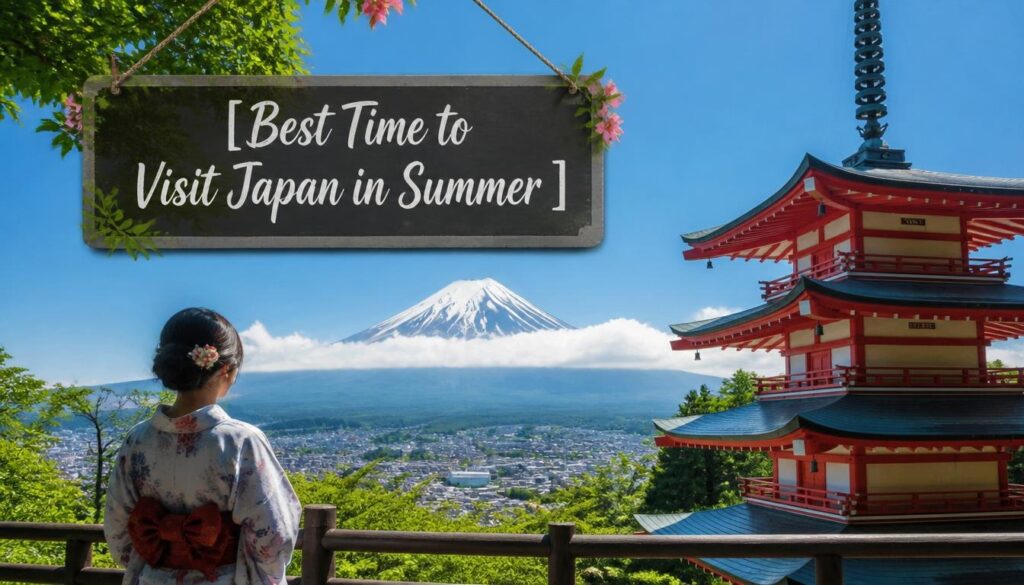
Summer lasts from June to August and offers an exciting mix of festivals, outdoor adventures, mountain escapes, and coastal experiences. Although temperatures become warmer, many travelers consider summer an excellent season because Japan comes alive with cultural celebrations and vibrant energy.
Different regions experience different weather conditions during summer. Northern Japan, especially Hokkaido, remains pleasantly cool, while central and southern regions become warmer and more humid. Travelers who enjoy adventure, hiking, beaches, and local festivals will find plenty to explore during this lively season.
Summer Weather
June usually marks the beginning of the rainy season in many parts of Japan. Light rain helps create lush green landscapes and beautiful gardens.
July and August become warmer, with sunny days that are perfect for outdoor festivals, beach vacations, and mountain adventures.
If you prefer cooler temperatures, northern destinations and higher mountain areas offer comfortable weather throughout the summer months.
Famous Summer Festivals
Japan’s summer festivals are known for their colorful traditions, lively performances, delicious street food, and spectacular fireworks displays. These festivals provide visitors with a wonderful opportunity to experience authentic Japanese culture.
Some of the most popular summer festivals include:
- Gion Matsuri in Kyoto
- Nebuta Festival in Aomori
- Tenjin Matsuri in Osaka
- Awa Odori Festival in Tokushima
- Sumida River Fireworks Festival in Tokyo
These celebrations attract both local residents and international visitors, creating an unforgettable atmosphere filled with music, dancing, and cultural traditions.
Outdoor Adventures
Summer is the perfect season for travelers who enjoy nature and adventure.
Popular activities include:
- Hiking Mount Fuji
- Exploring the Japanese Alps
- Visiting lavender fields in Hokkaido
- Relaxing on Okinawa’s beaches
- Snorkeling and scuba diving
- Camping in national parks
- Cycling through scenic countryside
- River rafting and kayaking
Japan’s natural beauty becomes even more impressive during the summer months, offering endless opportunities for outdoor exploration.
Summer Travel Tips
The weather can become warm and humid, so packing the right essentials will make your trip much more comfortable.
Bring these travel essentials:
- Lightweight clothing
- Comfortable walking shoes
- Sunscreen
- Sunglasses
- A wide-brimmed hat
- A reusable water bottle
- A portable fan
- A small towel
- An umbrella for occasional rain
Staying hydrated and planning outdoor activities during the cooler morning and evening hours will help you enjoy your summer vacation comfortably.
Why Visit Japan in Summer?
Summer offers experiences that cannot be enjoyed during any other season. The combination of traditional festivals, mountain adventures, coastal destinations, and vibrant nightlife makes it an exciting time to explore Japan.
Some of the biggest reasons to visit include:
- Colorful cultural festivals
- Spectacular fireworks displays
- Hiking opportunities
- Beautiful beaches
- Fresh seasonal seafood
- Outdoor adventures
- Scenic mountain landscapes
- Unique local traditions
Despite the warmer temperatures, summer rewards travelers with unforgettable experiences, energetic celebrations, and countless opportunities to discover another side of Japan.
Best Time to Visit Japan in Autumn
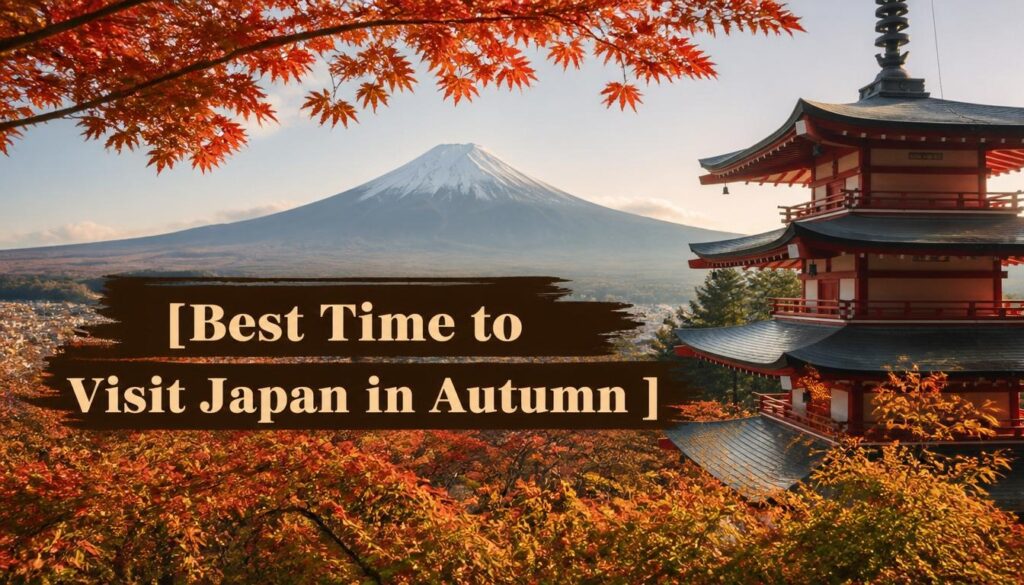
Autumn is another excellent season and is often considered the Best Time to Visit Japan by experienced travelers. From September to November, the weather becomes cooler, the humidity decreases, and the landscapes transform into beautiful shades of red, orange, and gold. Many visitors prefer autumn because it offers comfortable temperatures, fewer crowds than spring, and breathtaking scenery across the country.
Whether you are exploring historic temples, peaceful gardens, mountain trails, or traditional villages, autumn creates the perfect atmosphere for sightseeing. The crisp air and colorful landscapes make every destination feel even more beautiful.
Autumn Foliage Season
Autumn foliage, known as Koyo, is one of Japan’s most spectacular natural attractions. During this season, maple and ginkgo trees create colorful landscapes that attract photographers and nature lovers from around the world.
Some of the best places to enjoy autumn colors include:
- Kyoto
- Nikko
- Hakone
- Nara
- Arashiyama
- Mount Takao
- Fuji Five Lakes
- Kamikochi
Each destination offers unique views, from peaceful temple gardens to mountain hiking trails covered with brilliant autumn leaves.
Autumn Weather and Travel Tips
Autumn weather is pleasant throughout most of Japan.
September begins with warm temperatures before gradually becoming cooler.
October offers fresh mornings and comfortable afternoons, making it one of the best months for sightseeing.
November brings cooler weather and peak autumn colors across many regions.
For a comfortable trip, pack:
- Light sweaters
- Comfortable walking shoes
- A light jacket
- Camera for photography
- Reusable water bottle
- Small backpack
Autumn is also an excellent season for tasting seasonal Japanese food. Roasted sweet potatoes, chestnuts, fresh mushrooms, seafood, and traditional desserts become popular during this time of year.
Why Visit Japan in Autumn?
Autumn combines comfortable weather with breathtaking scenery, making it one of the most rewarding seasons for travelers.
Some of the biggest advantages include:
- Comfortable temperatures
- Stunning autumn foliage
- Excellent photography opportunities
- Fewer crowds than spring
- Seasonal food festivals
- Beautiful mountain landscapes
- Ideal weather for walking tours
- Clear skies for sightseeing
Best Time to Visit Japan in Winter
Winter lasts from December to February and offers a magical experience for travelers who enjoy snow, winter sports, and peaceful landscapes. Northern Japan becomes covered in snow, while many cities celebrate the season with beautiful lights, festivals, and traditional events.
If you enjoy skiing, snowboarding, or relaxing in hot springs surrounded by snow, winter could be the best time to visit Japan for your vacation.
Winter Activities
Japan is home to some of the world’s best ski resorts. Powder snow, modern facilities, and beautiful mountain scenery attract visitors from around the globe.
Popular winter destinations include:
- Niseko
- Hakuba
- Nozawa Onsen
- Furano
- Sapporo
- Yuzawa
Besides skiing, visitors can also enjoy:
- Snowboarding
- Snow festivals
- Ice sculptures
- Traditional hot springs
- Winter illuminations
- Snowshoe hiking
- Wildlife tours
- Winter photography
One of the most famous winter events is the Sapporo Snow Festival, where enormous ice sculptures create a magical atmosphere.
Winter Weather and Travel Tips
Winter temperatures vary depending on the region.
Northern Japan experiences heavy snowfall and freezing temperatures.
Central Japan remains cold with occasional snow.
Southern regions such as Okinawa stay relatively mild.
For a comfortable winter trip, pack:
- Warm winter coat
- Thermal clothing
- Waterproof boots
- Gloves
- Scarf
- Wool hat
- Thick socks
Layering your clothing helps you stay comfortable while moving between heated indoor spaces and the cold outdoors.
Why Visit Japan in Winter?
Winter offers peaceful scenery and unique experiences that cannot be enjoyed during other seasons.
Some of the biggest highlights include:
- World-class skiing
- Beautiful snow-covered landscapes
- Relaxing hot springs
- Winter festivals
- Fewer tourists
- Stunning holiday illuminations
- Fresh seafood
- Cozy mountain villages
Best Time to Visit Japan Month by Month
Each month offers something different, allowing travelers to choose the experience that matches their interests.
January
Perfect for skiing, snow festivals, hot springs, and winter photography.
February
Excellent for snowboarding, winter sports, and the famous Sapporo Snow Festival.
March
Cherry blossoms begin appearing in southern Japan, making it a wonderful month for sightseeing.
April
Peak cherry blossom season across much of the country with comfortable spring weather.
May
Warm temperatures, blooming gardens, and excellent conditions for outdoor activities.
June
The rainy season begins, bringing lush green landscapes and fewer tourists.
July
Summer festivals, fireworks, and mountain adventures make July exciting for active travelers.
August
Ideal for beaches, hiking, and traditional cultural festivals despite warmer temperatures.
September
Early autumn arrives with cooler weather and fewer crowds.
October
One of the most comfortable months for sightseeing and outdoor exploration.
November
Brilliant autumn colors cover parks, temples, and mountain landscapes.
December
Winter begins with festive decorations, illuminations, and skiing opportunities.
Best Time to Visit Japan for Different Types of Travelers
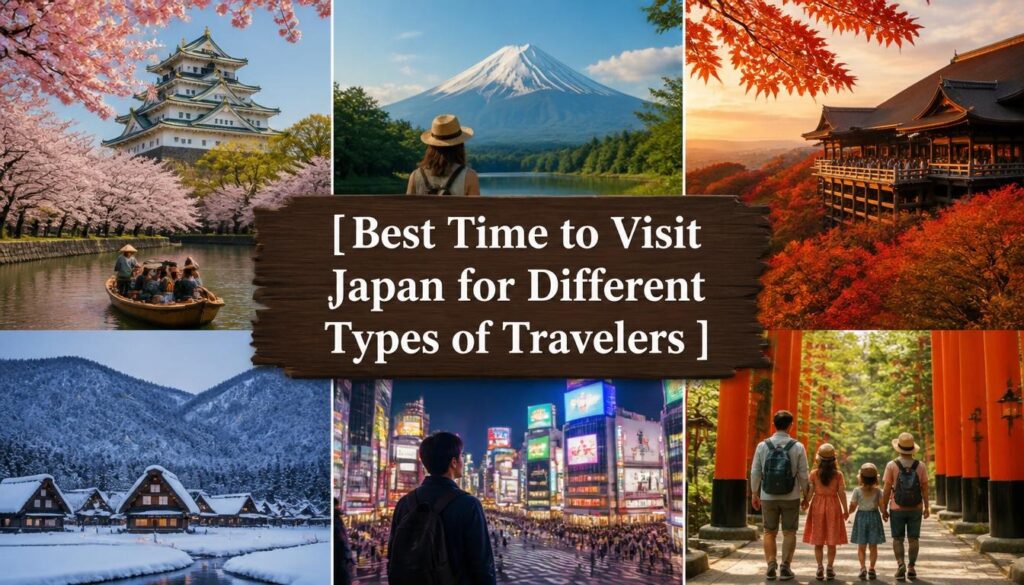
Every traveler has different expectations, which means the ideal travel season depends on personal interests.
Budget Travelers
Traveling during the quieter months can help reduce accommodation and flight costs.
Budget-friendly months include:
- January (after New Year)
- June
- Early July
- September
These months usually offer lower hotel prices and smaller crowds.
Couples
Romantic travelers often prefer:
- March
- April
- October
- November
Cherry blossoms, colorful autumn leaves, scenic gardens, and peaceful temples create unforgettable memories for couples.
Families
Families usually enjoy:
- April
- May
- October
Comfortable temperatures and family-friendly attractions make these months ideal for children.
First-Time Visitors
If it is your first visit to Japan, consider traveling during:
- April
- May
- October
- November
These months offer comfortable weather, beautiful scenery, and excellent sightseeing conditions.
Famous Festivals Throughout the Year
Japan is known for its colorful festivals that celebrate history, culture, religion, and local traditions. These events take place throughout the year and offer visitors a chance to experience authentic Japanese life. If you enjoy cultural experiences, attending a festival can make your trip even more memorable.
Some of the most famous festivals include:
- Gion Matsuri in Kyoto (July)
- Sapporo Snow Festival in February
- Nebuta Festival in Aomori (August)
- Tenjin Matsuri in Osaka (July)
- Awa Odori Festival in Tokushima (August)
- Takayama Festival in Spring and Autumn
- Kanda Matsuri in Tokyo (May, held every two years)
These festivals feature traditional music, dance performances, colorful floats, fireworks, local food, and cultural ceremonies. Planning your trip around one of these events allows you to experience Japan beyond its famous tourist attractions.
Essential Travel Tips for Visiting Japan
Planning ahead can make your journey smoother and more enjoyable. Japan is one of the safest and most organized countries in the world, but understanding local customs and preparing in advance will help you make the most of your visit.
Plan Your Trip Early
Spring and autumn are the busiest travel seasons. Booking flights, hotels, and transportation several months in advance gives you more choices and better prices.
Purchase a Transportation Pass
If you plan to visit multiple cities, consider buying a Japan Rail Pass or regional transportation pass before your trip. It can help you save both time and money while traveling across the country.
Respect Local Customs
Japanese culture values respect and politeness. Simple gestures such as standing quietly on public transport, disposing of trash properly, and following local rules leave a positive impression.
Carry Cash
Although credit cards are widely accepted in major cities, many small restaurants, local shops, and traditional markets still prefer cash. Carrying some Japanese Yen is always a good idea.
Learn Basic Japanese Phrases
Knowing a few simple phrases can improve your travel experience.
Helpful expressions include:
- Hello
- Thank you
- Excuse me
- Please
- Yes
- No
Local people appreciate visitors who make an effort to communicate politely.
Stay Connected
Consider renting a portable Wi-Fi device or purchasing a local SIM card. Reliable internet access makes it easier to use maps, translation apps, and transportation services.
Pack According to the Season
Your packing list should match the weather during your visit.
For spring:
- Light jacket
- Comfortable walking shoes
- Umbrella
For summer:
- Lightweight clothing
- Sunscreen
- Hat
- Water bottle
For autumn:
- Sweater
- Light coat
- Comfortable shoes
For winter:
- Warm coat
- Gloves
- Scarf
- Waterproof boots
Packing appropriately helps you stay comfortable throughout your trip.
Common Mistakes to Avoid
Even experienced travelers can make simple mistakes while visiting Japan. Avoiding these common problems will help you enjoy a smoother and more relaxing vacation.
Visiting During Peak Season Without Booking Early
Hotels and flights fill quickly during cherry blossom season and autumn. Booking early helps you avoid higher prices and limited availability.
Ignoring Regional Weather
Japan’s climate varies by region. Always check the weather forecast for the cities you plan to visit instead of relying on national averages.
Trying to Visit Too Many Places
Many first-time visitors attempt to see too much in a short time. Instead, focus on a few destinations and enjoy them at a relaxed pace.
Forgetting Comfortable Walking Shoes
Japan is best explored on foot. Comfortable shoes are essential because you will spend many hours walking through cities, temples, parks, and train stations.
Missing Local Experiences
Do not spend your entire trip visiting only famous landmarks. Explore local neighborhoods, family-owned restaurants, traditional markets, gardens, and cultural events to experience the true beauty of Japan.
Frequently Asked Questions
What is the Best Time to Visit Japan for cherry blossoms?
The best time to see cherry blossoms is usually from late March to early April. Blooming dates vary depending on the region and weather conditions.
Which season is the cheapest to visit Japan?
The rainy season in June and the quieter months after major holidays often offer lower hotel prices and cheaper flights, making them ideal for budget travelers.
Is autumn better than spring in Japan?
Both seasons are excellent. Spring is famous for cherry blossoms, while autumn offers colorful foliage, pleasant temperatures, and slightly fewer crowds. The better choice depends on your personal travel preferences.
Also Read;
Things to Do in Dubai: Top Attractions, Activities & Travel Experiences
Best Time to Visit Dubai: A Complete Seasonal Travel Guide for Every Traveler (2026)
Conclusion
Choosing the Best Time to Visit Japan depends on the experiences you want to enjoy. Every season offers something unique, from the breathtaking cherry blossoms of spring to the colorful landscapes of autumn, exciting summer festivals, and peaceful winter adventures. Understanding Japan’s weather, seasonal attractions, and cultural events allows you to plan a trip that perfectly matches your interests and travel goals.
Whether you are traveling with family, friends, or your partner, Japan offers unforgettable experiences throughout the year. By planning ahead, choosing the right season, and following practical travel tips, you can enjoy a smooth and memorable journey. No matter when you visit, Japan will welcome you with its rich culture, beautiful scenery, delicious cuisine, and warm hospitality, making every moment of your trip truly special.

