

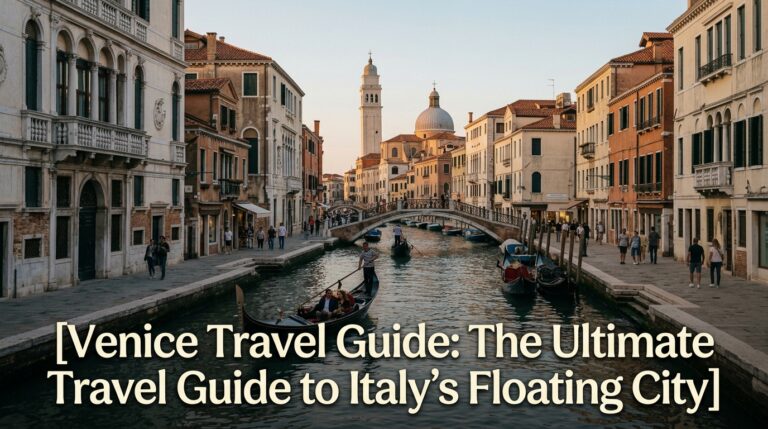
Planning your dream trip to Italy? This Venice Travel Guide will help you experience one of the world’s most romantic and beautiful cities. Built on more than 100 small islands connected by canals and charming bridges, Venice offers breathtaking architecture, rich history, delicious Italian food, and unforgettable scenery. Whether you’re visiting for the first time or returning to explore more, this Venice Travel Guide covers everything you need to know before your journey.
From famous gondola rides and historic landmarks to hidden streets and local restaurants, this Venice Travel Guide provides practical travel tips, suggested itineraries, transportation advice, and budget information. By the end of this guide, you’ll be ready to enjoy Venice like a smart traveler while making the most of every moment.
Why Visit Venice?
Venice is unlike any other city in the world. Instead of roads filled with cars, you’ll find peaceful canals, elegant bridges, and boats moving through the city’s waterways. This unique setting creates an unforgettable atmosphere that attracts millions of visitors every year.
The city’s history dates back more than 1,500 years. Venice was once one of Europe’s greatest trading powers, and its wealth is reflected in magnificent churches, grand palaces, museums, and beautiful public squares. Every corner tells a fascinating story.
Visitors also enjoy Venice because it combines history, culture, art, shopping, and incredible cuisine in one compact destination. Whether you’re traveling as a couple, with family, or alone, Venice has something special for everyone.
Where is Venice Located?
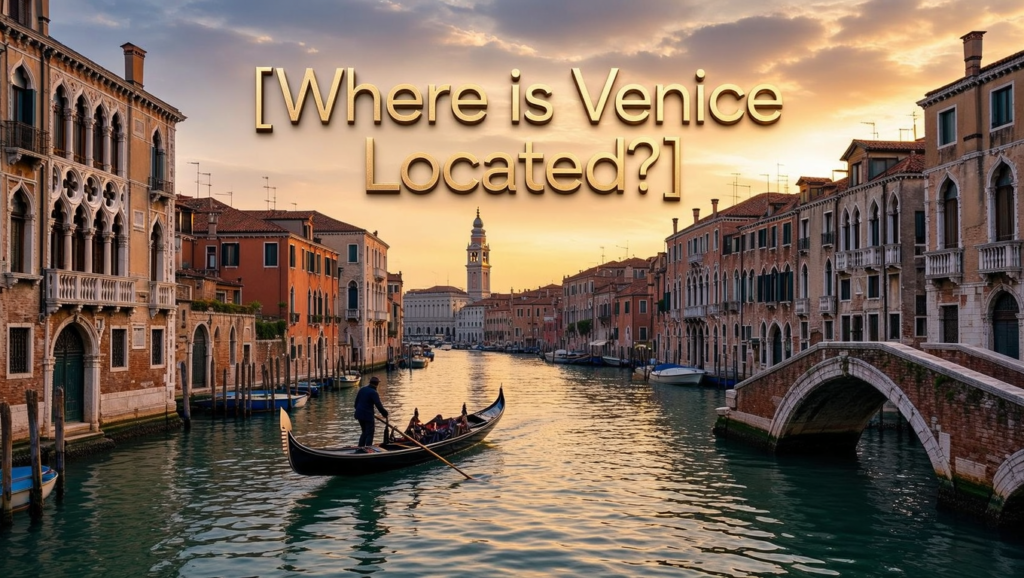
Venice is located in northeastern Italy in the Veneto region. The city sits on a lagoon along the Adriatic Sea and consists of over 100 small islands connected by more than 400 bridges.
Unlike most cities, Venice has no regular roads in its historic center. People walk through narrow streets or travel by boats, making transportation part of the overall travel experience.
Its convenient location also makes Venice an excellent starting point for exploring other famous Italian cities such as Florence, Milan, Verona, and Bologna.
Best Time to Visit Venice
Choosing the right season can make your trip even more enjoyable. Every season offers a different experience.
Spring (March to May)
Spring is considered one of the best times to visit Venice. The weather is pleasant, flowers begin to bloom, and tourist crowds are smaller than during peak summer months. Outdoor sightseeing becomes comfortable, making it perfect for walking around the city.
Hotel prices are moderate compared to summer, and you’ll enjoy beautiful photographs with soft natural lighting.
Summer (June to August)
Summer is the busiest tourist season. Days are warm, festivals are lively, and restaurants stay open late into the evening.
However, expect larger crowds, longer lines at popular attractions, and higher hotel prices. Booking accommodation several months in advance is highly recommended.
Autumn (September to November)
Autumn offers cooler temperatures and fewer tourists after September. The canals look beautiful under golden evening light, making it a favorite season for photographers.
Late autumn may occasionally experience “Acqua Alta” (seasonal high water), but elevated walkways help visitors move around safely.
Winter (December to February)
Winter is quieter and ideal for travelers looking for lower hotel prices. Christmas decorations make Venice magical, while February brings the world-famous Venice Carnival with spectacular costumes and celebrations.
Although temperatures are colder, sightseeing becomes much more peaceful.
How to Reach Venice
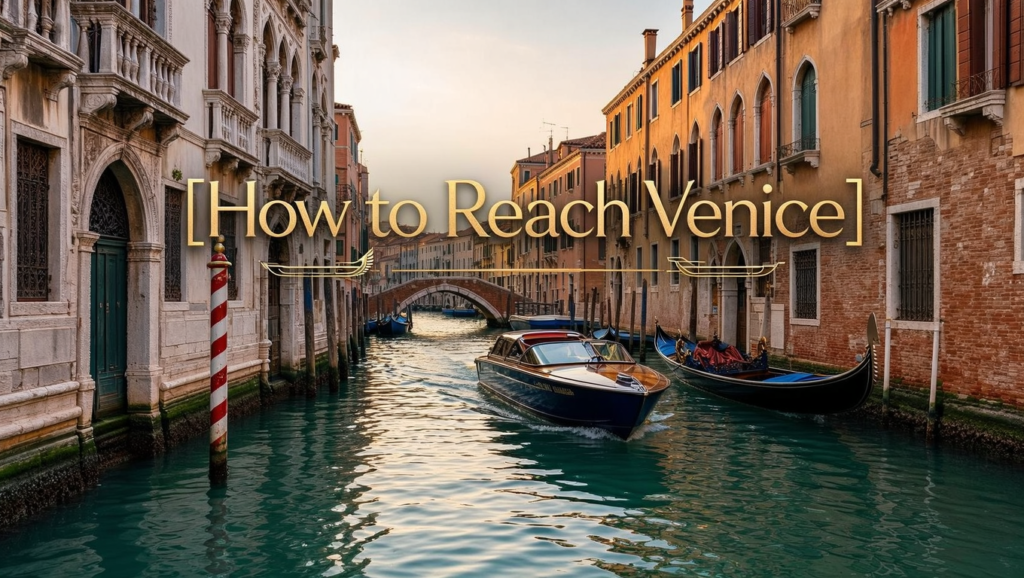
Traveling to Venice is simple thanks to its excellent transportation network.
By Air
Most international visitors arrive at Venice Marco Polo Airport, located about 13 kilometers from the city center. The airport is connected by airport buses, water buses, private boats, and taxis.
Treviso Airport is another option for many European budget airlines.
By Train
Venice Santa Lucia Railway Station connects directly with Rome, Milan, Florence, Verona, Bologna, and many other Italian cities.
The railway station opens directly onto the Grand Canal, offering visitors an unforgettable first impression.
By Car
Cars cannot enter Venice’s historic center. Visitors arriving by car should park at Piazzale Roma or Tronchetto Parking before continuing by foot or water bus.
Getting Around Venice
Transportation in Venice is completely different from most cities around the world.
Walking
Walking is the best way to explore Venice. The city’s narrow streets, historic buildings, hidden squares, and charming canals are best experienced on foot.
Comfortable walking shoes are essential because you’ll cross dozens of bridges throughout the day.
Vaporetto (Water Bus)
The Vaporetto serves as Venice’s public transportation system. These water buses connect major attractions, islands, train stations, and neighborhoods.
Buying a daily or multi-day transport pass can save money if you plan multiple trips.
Gondola
A gondola ride is one of Venice’s most iconic experiences. Although more expensive than public transportation, it offers a romantic and memorable way to admire historic buildings from the canals.
Many visitors choose evening rides for a quieter and more magical atmosphere.
St. Mark’s Square (Piazza San Marco)
Often called the heart of Venice, St. Mark’s Square is surrounded by stunning architecture, elegant cafés, museums, and historical buildings. It has served as the city’s main gathering place for centuries.
Visitors can relax while listening to live classical music from nearby cafés or simply admire the beautiful surroundings.
St. Mark’s Basilica
One of Italy’s most impressive churches, St. Mark’s Basilica features magnificent golden mosaics, marble columns, and Byzantine architecture.
Inside, visitors can admire centuries-old artwork and climb to the terrace for panoramic views across Venice.
Doge’s Palace
Located beside St. Mark’s Basilica, the Doge’s Palace was once the political center of the Venetian Republic.
Its luxurious halls, impressive artwork, historic prison, and famous Bridge of Sighs provide a fascinating glimpse into Venice’s powerful past.
Top Attractions in Venice (Continued)
Grand Canal
No Venice Travel Guide is complete without mentioning the Grand Canal. Stretching for nearly 4 kilometers, it is the city’s main waterway and serves as Venice’s busiest “street.” Elegant palaces, historic churches, luxury hotels, and colorful buildings line both sides of the canal, creating one of the most beautiful urban landscapes in the world.
The best way to experience the Grand Canal is by taking a Vaporetto (water bus). Line 1 travels along the entire canal, allowing visitors to admire famous landmarks at an affordable price. A gondola ride also offers a quieter and more romantic perspective.
Rialto Bridge
The Rialto Bridge is Venice’s oldest and most famous bridge across the Grand Canal. Built in the late 16th century, it has become one of Italy’s most photographed landmarks.
From the top of the bridge, visitors enjoy spectacular views of boats passing through the canal and historic buildings on both sides. Early morning and sunset are the best times for photography while avoiding large crowds.
Bridge of Sighs
Connected to the Doge’s Palace, the Bridge of Sighs has a fascinating history. Prisoners once crossed this enclosed bridge after their trials before entering prison.
Today, it is one of Venice’s most recognizable landmarks. Many visitors enjoy viewing it from nearby canals during a gondola ride or while walking through the surrounding streets.
Visit Murano Island
Murano Island is internationally famous for its handmade glass. For centuries, skilled craftsmen have produced beautiful glass art, jewelry, chandeliers, sculptures, and decorative items here.
Visitors can watch live glass-making demonstrations inside traditional workshops and learn about this centuries-old craft. The Murano Glass Museum also explains the history and evolution of Venetian glassmaking.
Murano is only a short Vaporetto ride from Venice and makes an excellent half-day trip.
Visit Burano Island
Burano is one of the most colorful places in Italy. Every house is painted in bright colors, creating picture-perfect streets that attract photographers from around the world.
Besides its colorful buildings, Burano is also known for handmade lace production. Small shops sell locally crafted lace products that make wonderful souvenirs.
Walking through Burano’s peaceful canals feels very different from the busy streets of central Venice, making it an ideal place to relax.
Explore Torcello Island
Torcello is one of the oldest inhabited islands in the Venetian Lagoon. Although it has a small population today, it offers peaceful walking paths, ancient churches, and beautiful natural scenery.
The Cathedral of Santa Maria Assunta features stunning Byzantine mosaics that are among the oldest in Italy.
Travelers looking for a quieter experience often include Torcello alongside Murano and Burano in a full-day island tour.
Best Museums in Venice
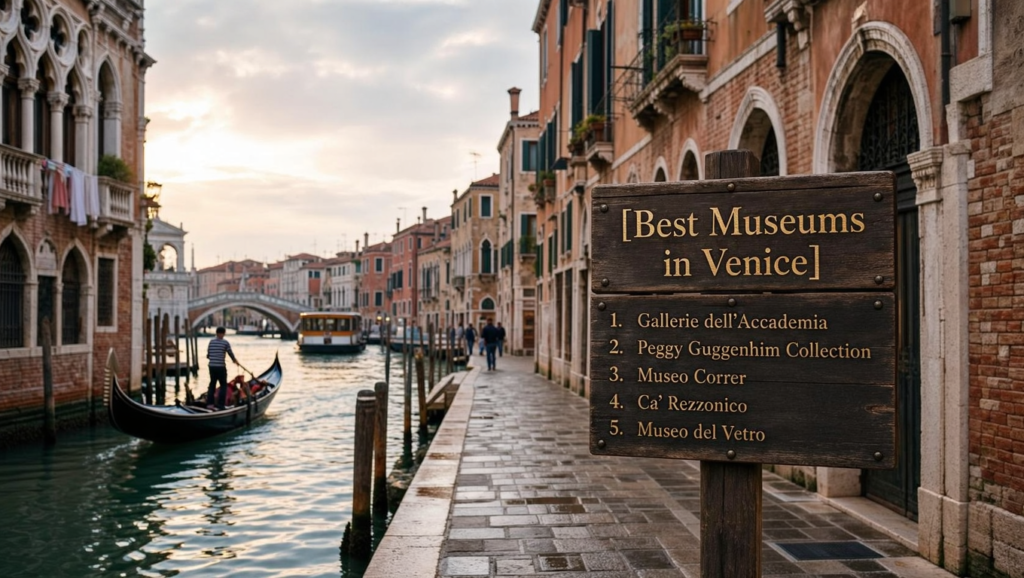
Gallerie dell’Accademia
Art lovers should not miss the Gallerie dell’Accademia. The museum houses one of the world’s finest collections of Venetian Renaissance paintings.
Masterpieces by Titian, Bellini, Tintoretto, Veronese, and Carpaccio allow visitors to understand Venice’s artistic heritage.
Peggy Guggenheim Collection
For modern art enthusiasts, the Peggy Guggenheim Collection offers works by Picasso, Dalí, Kandinsky, Pollock, and many other world-famous artists.
The museum is located inside Peggy Guggenheim’s former home along the Grand Canal, combining beautiful architecture with exceptional art collections.
Museo Correr
Located in St. Mark’s Square, Museo Correr tells the story of Venice through paintings, sculptures, historical artifacts, maps, and royal apartments.
It is an excellent place to understand the city’s political, cultural, and artistic development over the centuries.
Best Things to Do in Venice
Enjoy a Gondola Ride
A gondola ride remains one of the most iconic experiences featured in every Venice Travel Guide. Skilled gondoliers navigate narrow canals while sharing stories about Venice’s fascinating history.
Although private rides can be expensive, sharing a gondola with other travelers reduces the cost. Evening rides provide a peaceful atmosphere and beautiful lighting.
Get Lost in the Streets
One of Venice’s greatest joys is simply wandering without a map.
Hidden squares, tiny canals, charming bridges, family-run cafés, and quiet neighborhoods reveal the authentic side of Venice that many tourists miss.
Sometimes the best memories come from exploring places you never planned to visit.
Watch the Sunset Along the Waterfront
The waterfront near St. Mark’s Basin offers spectacular sunset views.
As the sun sets over the lagoon, the city’s churches, domes, and historic buildings glow with golden light, creating unforgettable photo opportunities.
Taste Authentic Italian Gelato
No visit to Venice is complete without enjoying authentic Italian gelato.
Local gelato shops offer traditional flavors such as pistachio, hazelnut, chocolate, lemon, strawberry, and seasonal fruit varieties prepared with fresh ingredients.
Visit Local Markets
The Rialto Market is one of Venice’s oldest markets.
Fresh seafood, vegetables, fruits, herbs, spices, and local products give visitors a glimpse into everyday Venetian life. It’s also an excellent place for food photography.
Hidden Gems in Venice
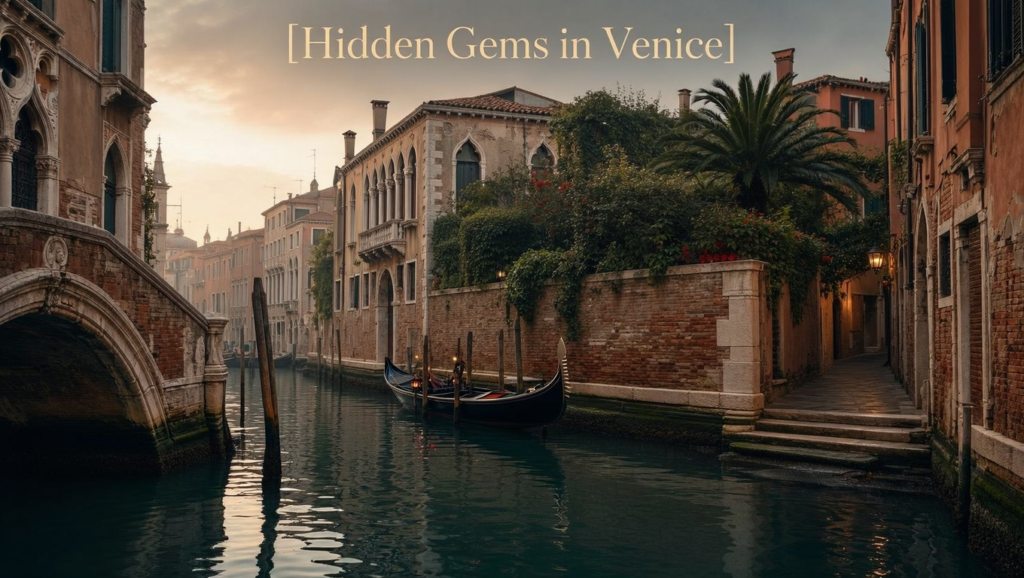
Libreria Acqua Alta
Known as one of the world’s most unique bookstores, Libreria Acqua Alta stores books inside bathtubs, boats, and gondolas to protect them from seasonal flooding.
Visitors love the famous staircase built from old books, which offers one of Venice’s most Instagram-worthy photo spots.
Scala Contarini del Bovolo
This hidden architectural masterpiece features a beautiful spiral staircase with panoramic views over Venice’s rooftops.
Despite being close to major tourist attractions, it remains less crowded than many famous landmarks.
Cannaregio District
Cannaregio provides a more authentic Venetian experience away from heavy tourist crowds.
Quiet canals, traditional restaurants, local bakeries, and relaxed neighborhoods allow travelers to experience everyday life in Venice.
Where to Stay in Venice
Choosing the right place to stay can make your Venice Travel Guide experience much more comfortable. Venice offers everything from luxury waterfront hotels to affordable guesthouses and boutique accommodations. The best area depends on your budget, travel style, and how close you want to be to the main attractions.
Booking your accommodation several months in advance is highly recommended, especially if you’re traveling during spring, summer, or the famous Venice Carnival.
Best Areas to Stay in Venice
San Marco
San Marco is the most popular area for first-time visitors. It is home to famous attractions such as St. Mark’s Basilica, Doge’s Palace, and St. Mark’s Square.
Staying here means you can easily walk to many major landmarks, luxury shopping streets, cafés, and restaurants. While hotel prices are generally higher, the convenience makes it worth considering.
Best For
- First-time visitors
- Luxury travelers
- Couples
- Short city breaks
Cannaregio
Cannaregio offers a quieter atmosphere while still being close to Venice’s main attractions.
This district is known for its local restaurants, peaceful canals, and more affordable hotels. It provides a more authentic Venetian experience away from the busiest tourist areas.
Best For
- Budget travelers
- Families
- Long stays
- Local experiences
Dorsoduro
Dorsoduro is one of Venice’s artistic neighborhoods. It is home to museums, galleries, beautiful churches, and scenic waterfront walks.
The area has a relaxed atmosphere and offers excellent cafés, making it a favorite among students, artists, and photographers.
Best For
- Art lovers
- Couples
- Peaceful vacations
Santa Croce
Santa Croce is convenient for travelers arriving by train or bus. Hotels here are often less expensive than those near St. Mark’s Square.
The neighborhood combines easy transportation with charming local streets and excellent restaurants.
Best Hotels in Venice
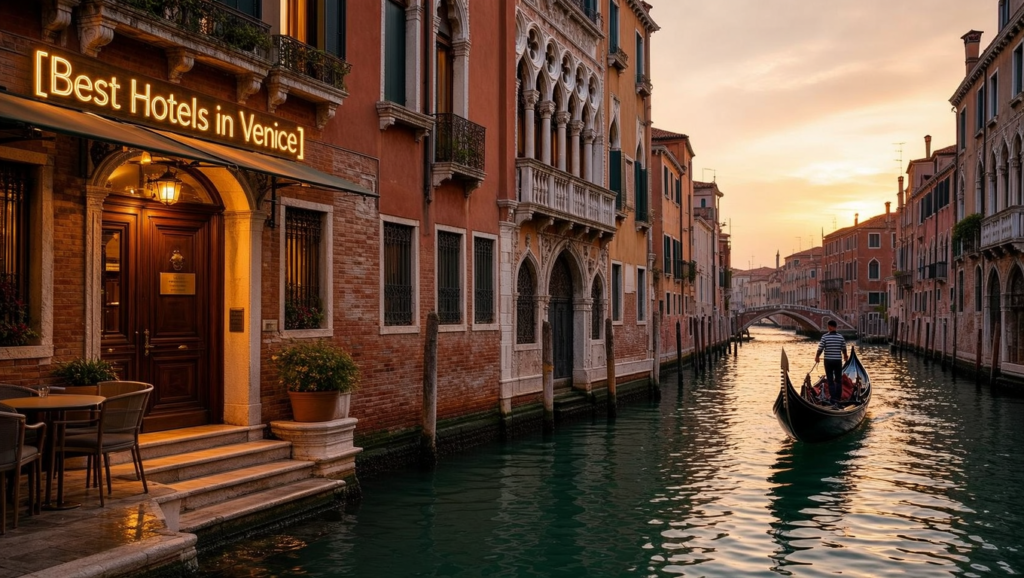
Luxury Hotels
Luxury travelers can enjoy elegant hotels featuring canal views, historic interiors, rooftop terraces, fine dining, and exceptional service.
Many five-star hotels are located near the Grand Canal and St. Mark’s Square, offering unforgettable views of Venice’s famous waterways.
Mid-Range Hotels
Mid-range hotels provide excellent comfort at reasonable prices. Many include breakfast, air-conditioned rooms, free Wi-Fi, and easy access to Vaporetto stations.
Booking early often helps secure better rates.
Budget Accommodation
Budget travelers can choose from hostels, guesthouses, family-run hotels, and vacation apartments.
Although rooms may be smaller, they offer clean accommodations and allow travelers to spend more on sightseeing and dining.
Venice Food Guide
One of the highlights of every Venice Travel Guide is the city’s incredible food scene. Venetian cuisine combines fresh seafood, homemade pasta, traditional Italian recipes, and local ingredients passed down through generations.
Whether you’re dining at a luxury restaurant or enjoying a small neighborhood café, Venice offers unforgettable culinary experiences.
Must-Try Foods in Venice
Seafood Risotto
Prepared with fresh seafood from the Venetian Lagoon, this creamy rice dish is one of Venice’s signature meals.
Bigoli in Salsa
This traditional Venetian pasta is served with onions and anchovies, creating a simple yet flavorful local specialty.
Cicchetti
Often compared to Spanish tapas, Cicchetti are small snacks served in local wine bars.
Popular options include seafood, cheese, cured meats, vegetables, and toasted bread topped with delicious ingredients.
Trying several Cicchetti while walking through Venice is one of the city’s most enjoyable food experiences.
Tiramisu
Although famous throughout Italy, enjoying authentic homemade tiramisu in Venice is a must.
Fresh mascarpone cheese, espresso, cocoa, and delicate ladyfinger biscuits create one of Italy’s favorite desserts.
Gelato
Italian gelato is richer and creamier than regular ice cream.
From pistachio and hazelnut to fresh fruit flavors, you’ll find countless artisan gelato shops throughout Venice.
Best Restaurants in Venice
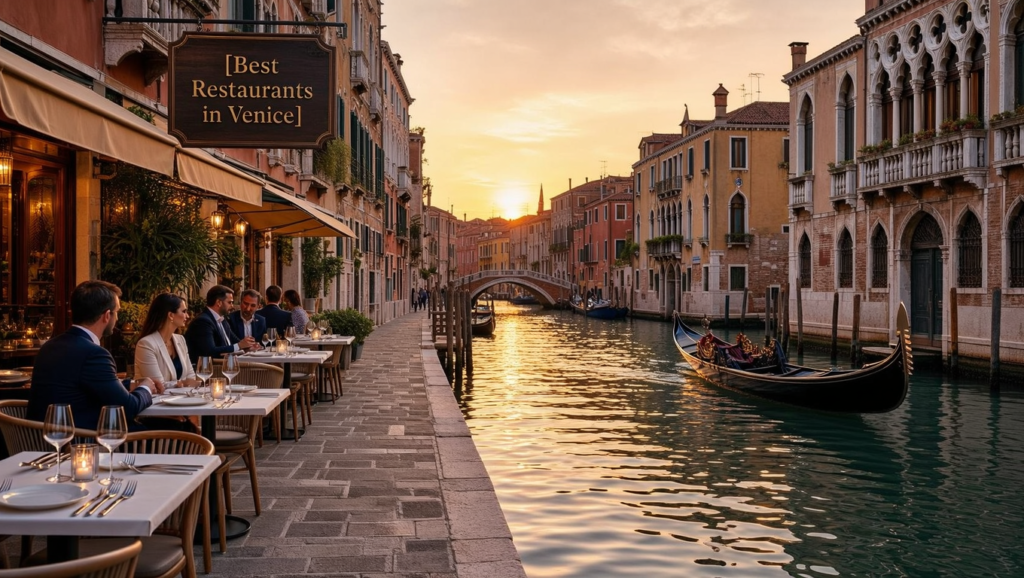
Venice offers restaurants for every budget.
Visitors can enjoy:
- Traditional Venetian seafood restaurants
- Family-owned Italian trattorias
- Pizza restaurants
- Canal-side cafés
- Fine dining establishments
- Local wine bars
To avoid tourist traps, consider dining a few streets away from major attractions where prices are often lower and food quality is excellent.
Shopping in Venice
Shopping is another enjoyable part of this Venice Travel Guide.
Venice is famous for handmade products crafted by skilled local artisans.
Popular souvenirs include:
- Murano glass
- Burano lace
- Venetian masks
- Leather bags
- Handmade jewelry
- Italian fashion
- Local wines
- Olive oil
- Traditional sweets
Avoid purchasing extremely cheap “Murano glass” products from street vendors, as many are imported imitations.
Venice Nightlife
Although Venice is known for its romantic atmosphere rather than nightlife, visitors can still enjoy relaxing evenings.
Popular nighttime activities include:
- Evening gondola rides
- Live music cafés
- Wine bars
- Waterfront restaurants
- Night photography
- Classical music concerts
Walking through the quiet canals after sunset creates one of the most memorable experiences in Venice.
Venice Travel Budget
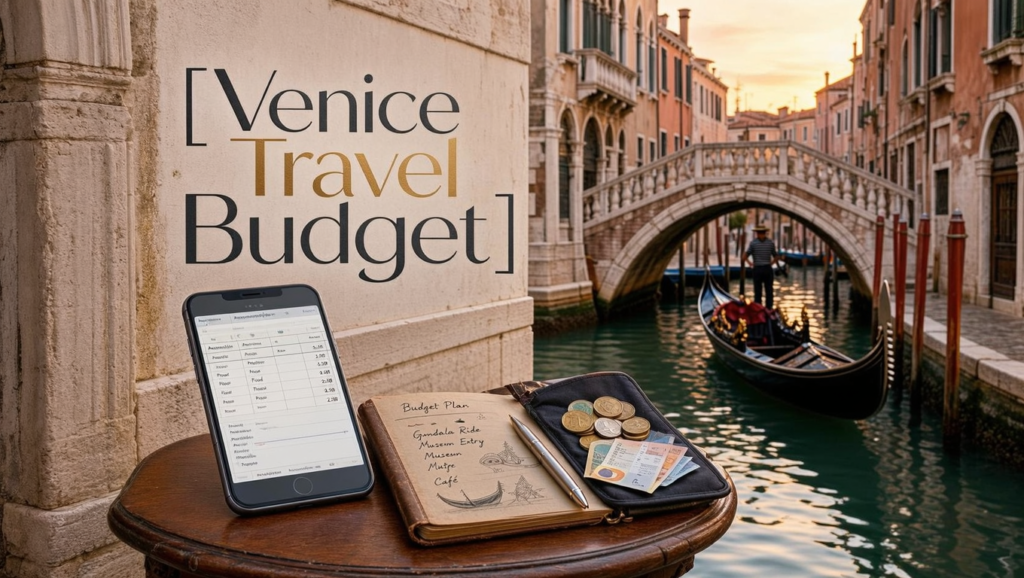
The total cost of your trip depends on your travel style.
Budget Traveler
- Hostel accommodation
- Public transportation
- Local cafés
- Free attractions
Estimated daily budget:
€80–120
Mid-Range Traveler
- Comfortable hotel
- Restaurant meals
- Museum visits
- Vaporetto pass
Estimated daily budget:
€180–300
Luxury Traveler
- Five-star hotel
- Private gondola
- Fine dining
- Private tours
- Luxury shopping
Estimated daily budget:
€450+
Money-Saving Tips
Saving money in Venice is easier with good planning.
- Visit during spring or autumn.
- Book hotels early.
- Purchase Vaporetto travel passes.
- Walk whenever possible.
- Refill your water bottle at public fountains.
- Eat at local restaurants away from major tourist areas.
- Visit free churches and public squares.
- Travel with light luggage to avoid extra transportation costs.
These simple tips help you enjoy Venice while staying within your budget.
Best Day Trips from Venice
One of the best parts of following this Venice Travel Guide is that Venice is well connected to many beautiful destinations in northern Italy. If you have extra time, consider taking a day trip to explore nearby cities filled with history, culture, and stunning landscapes.
Verona
Verona is famous as the setting of Shakespeare’s Romeo and Juliet. The city offers romantic streets, historic churches, medieval bridges, and the impressive Verona Arena, one of the best-preserved Roman amphitheaters.
Visitors can also explore Piazza delle Erbe, Juliet’s House, and charming cafés while enjoying the relaxed atmosphere.
Travel Time from Venice: Approximately 1,1.5 hours by train.
Padua (Padova)
Padua is one of Italy’s oldest cities and is home to the famous University of Padua. It is known for beautiful squares, historic buildings, and the remarkable Scrovegni Chapel with frescoes by Giotto.
The city is less crowded than Venice, making it perfect for travelers who enjoy history and architecture.
Travel Time: Around 30,40 minutes by train.
Lake Garda
Lake Garda is Italy’s largest lake and offers breathtaking mountain scenery, lakeside villages, and outdoor activities. Visitors can enjoy boat rides, cycling, hiking, and waterfront dining.
It is an excellent destination for families, couples, and nature lovers.
Travel Time: Around 2 hours.
Dolomite Mountains
Adventure seekers should consider visiting the spectacular Dolomites. The region is famous for dramatic mountain peaks, hiking trails, cable cars, skiing, and unforgettable panoramic views.
During summer, hiking and photography are popular, while winter attracts skiers from around the world.
Essential Venice Travel Tips
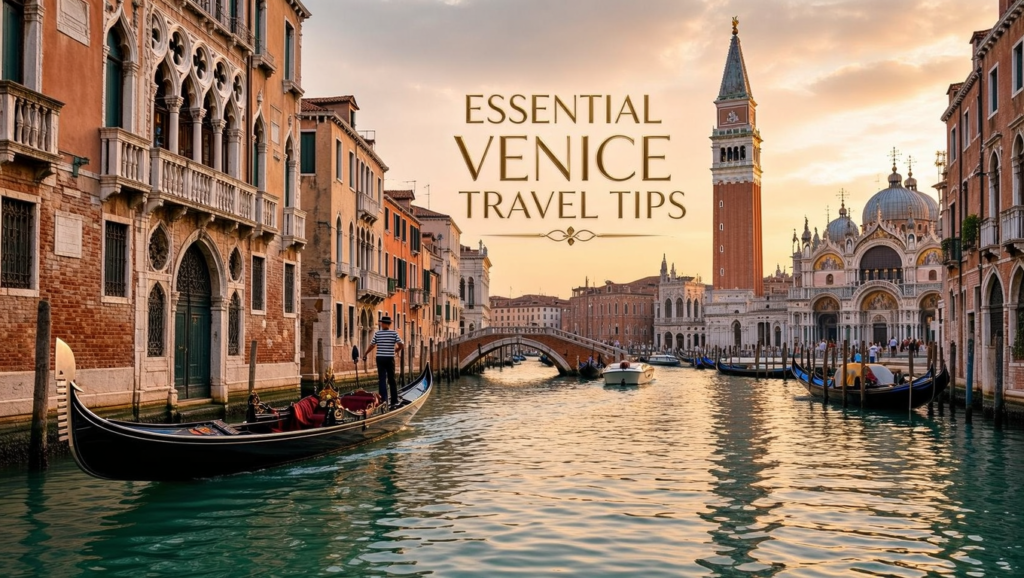
Following these practical tips will help make your Venice Travel Guide experience smooth and enjoyable.
Wear Comfortable Shoes
Venice is a walking city. Expect to cross dozens of bridges and walk several kilometers each day.
Comfortable footwear is one of the most important items to pack.
Book Popular Attractions Early
Major attractions such as St. Mark’s Basilica and Doge’s Palace can have long queues, especially during summer.
Booking tickets in advance saves valuable sightseeing time.
Carry Cash
Although most restaurants and shops accept credit cards, some small cafés, local markets, and souvenir shops prefer cash.
Keeping a small amount of euros with you is always helpful.
Respect Local Rules
Venice actively works to preserve its historic environment.
Visitors should avoid:
- Feeding pigeons in St. Mark’s Square
- Sitting on monuments
- Swimming in canals
- Leaving litter
- Blocking narrow walkways
Respecting local regulations helps protect this unique city.
Safety Tips for Venice
Venice is considered one of the safest cities in Europe for tourists. However, basic travel precautions are still recommended.
Watch Your Belongings
Busy tourist areas such as St. Mark’s Square, Rialto Bridge, and Vaporetto stations can attract pickpockets.
Keep your valuables secure and avoid carrying large amounts of cash.
Stay Aware at Night
Venice remains peaceful after dark, but it’s always wise to stay in well-lit areas if walking alone late at night.
Check Weather Forecasts
During autumn and winter, seasonal flooding known as “Acqua Alta” may affect certain areas.
Waterproof shoes can be useful if flooding is expected.
What to Pack for Venice
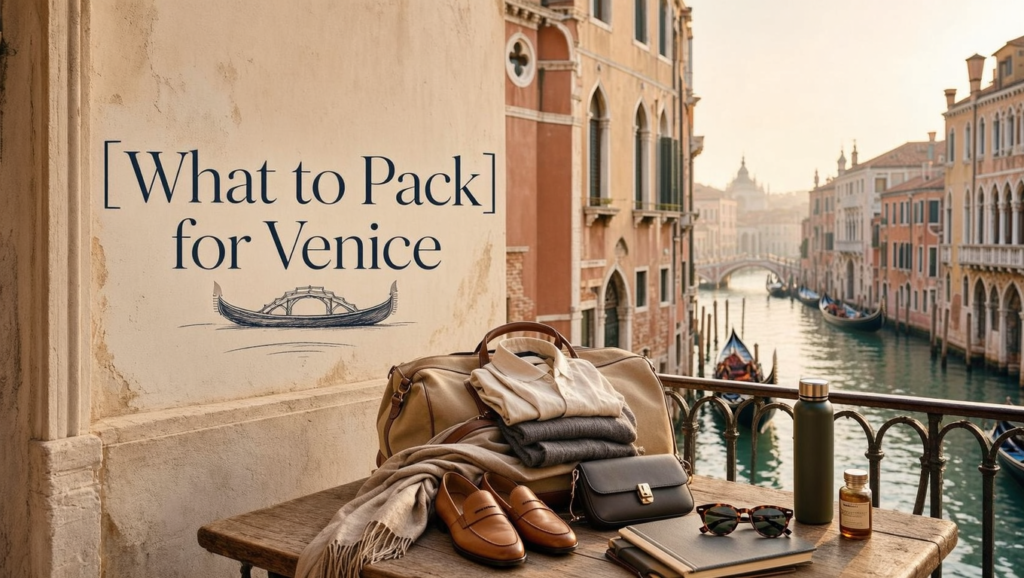
Packing wisely makes your trip much more comfortable.
Clothing
- Comfortable walking shoes
- Light clothing for summer
- Jacket for evenings
- Raincoat or umbrella
- Warm sweater during winter
Travel Essentials
- Passport
- Travel insurance
- Power adapter
- Portable charger
- Water bottle
- Camera
- Sunglasses
- Sunscreen
Famous Festivals in Venice
Venice Carnival
The Venice Carnival is one of the world’s most famous festivals.
Visitors wear elegant masks and historical costumes while enjoying parades, concerts, cultural performances, and festive celebrations throughout the city.
If you plan to visit during Carnival, book hotels many months in advance.
Venice Biennale
The Venice Biennale is among the world’s leading international art exhibitions.
Artists, architects, designers, and creative professionals from across the globe gather here to showcase modern artistic achievements.
Festa del Redentore
Held every July, this traditional festival features spectacular fireworks, decorated boats, outdoor celebrations, and religious ceremonies.
It is one of the most beloved local festivals.
3-Day Venice Itinerary
Day 1
- Visit St. Mark’s Square
- Explore St. Mark’s Basilica
- Tour Doge’s Palace
- Walk across Rialto Bridge
- Enjoy a sunset gondola ride
Day 2
- Cruise along the Grand Canal
- Visit Gallerie dell’Accademia
- Explore Cannaregio
- Shop for Murano glass
- Enjoy authentic Venetian seafood
Day 3
- Take a Vaporetto to Murano Island
- Visit Burano Island
- Explore Torcello
- Return to Venice for evening photography
- Relax at a canal-side café
Best Photography Spots
Photography lovers will find endless inspiration throughout Venice.
Top locations include:
- St. Mark’s Square
- Rialto Bridge
- Grand Canal
- Burano Island
- Bridge of Sighs
- Gondolas at sunset
- Waterfront near San Giorgio Maggiore
- Quiet canals in Cannaregio
Early morning and golden hour provide the best lighting for stunning photographs.
Common Tourist Mistakes to Avoid

Many first-time visitors make simple mistakes that can easily be avoided.
- Visiting only the busiest tourist areas
- Booking hotels too late
- Eating beside major attractions without comparing prices
- Ignoring Vaporetto travel passes
- Wearing uncomfortable shoes
- Spending too little time exploring hidden neighborhoods
- Forgetting to check weather forecasts
- Missing nearby islands like Murano and Burano
Avoiding these mistakes will make your Venice Travel Guide journey far more enjoyable.
Final Travel Tips
Before you begin your journey, keep these simple tips in mind to make your Venice Travel Guide experience even better.
- Book flights and hotels several months in advance, especially during summer and the Venice Carnival.
- Start sightseeing early in the morning to enjoy famous attractions before large crowds arrive.
- Purchase a Vaporetto travel pass if you plan to use public water buses several times a day.
- Carry a reusable water bottle, as Venice has many public drinking fountains with safe water.
- Respect local customs and help preserve the city’s historic beauty by keeping public places clean.
- Leave some free time in your itinerary to explore hidden alleys, quiet canals, and local cafés.
Best Time to Visit Venice – Quick Summary
Every season offers a different experience, so the best time depends on your travel style.
| Season | Weather | Crowd Level | Best For |
| Spring (March–May) | Pleasant | Moderate | Sightseeing, photography, walking tours |
| Summer (June–August) | Warm | Very High | Festivals, nightlife, family vacations |
| Autumn (September–November) | Cool | Moderate | Budget travel, fewer crowds |
| Winter (December–February) | Cold | Low | Venice Carnival, Christmas markets, peaceful sightseeing |
For most travelers, spring and early autumn provide the perfect balance of comfortable weather, beautiful scenery, and manageable crowds.
Frequently Asked Questions
1. How many days are enough to explore Venice?
Most travelers can comfortably explore Venice in 2 to 3 days. This allows enough time to visit major attractions, enjoy a gondola ride, explore local neighborhoods, and take a day trip to Murano or Burano.
2. Is Venice expensive for tourists?
Venice can be expensive, especially during peak tourist seasons. However, travelers can reduce costs by booking accommodation early, using Vaporetto travel passes, dining at local restaurants away from tourist hotspots, and visiting free attractions.
3. What is the best way to get around Venice?
Walking is the best way to explore Venice because most attractions are located within the historic center. For longer distances and island visits, the Vaporetto (public water bus) is the most convenient and affordable transportation option.
Also Read;
Italy Itinerary 10 Days: The Ultimate Travel Plan for an Unforgettable Italian Adventure
Conclusion
This Venice Travel Guide is designed to help you plan an unforgettable journey through one of the world’s most unique cities. From the breathtaking Grand Canal and historic St. Mark’s Square to colorful islands like Murano and Burano, Venice offers a perfect mix of history, culture, romance, and unforgettable experiences. Whether you’re traveling on a budget or planning a luxury vacation, this Venice Travel Guide gives you the knowledge you need to enjoy every moment with confidence.
With proper planning, comfortable walking shoes, and a well-organized itinerary, your trip will be smooth and memorable. Use this Venice Travel Guide to choose the best time to visit, explore famous landmarks, enjoy authentic Italian cuisine, and discover hidden corners that many tourists miss. No matter how long you stay, Venice is a destination that leaves every traveler with lasting memories and a desire to return.

