

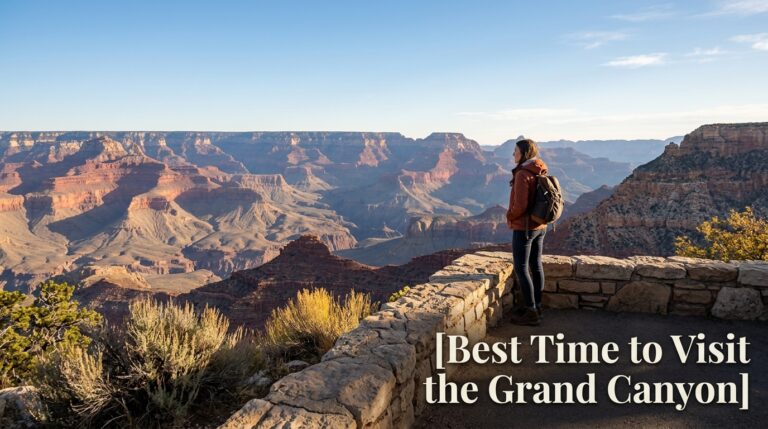
Choosing the right season is one of the most important parts of planning your Grand Canyon Travel Guide adventure. The Grand Canyon is open throughout the year, but every season offers a unique experience. Weather conditions, crowd levels, hotel prices, and available activities vary significantly depending on the time of year.
Whether you’re hoping to enjoy scenic hikes, photograph breathtaking sunsets, or simply admire the canyon from famous viewpoints, understanding the seasonal differences will help you make the most of your visit.
Spring (March to May)
Spring is one of the best times to visit the Grand Canyon. Temperatures are comfortable, wildflowers begin to bloom, and hiking conditions are excellent. Visitor numbers gradually increase, but the park is generally less crowded than during the summer months.
Average daytime temperatures range from 50°F to 70°F (10°C to 21°C), making outdoor activities enjoyable. Popular hiking trails like Bright Angel Trail and South Kaibab Trail become more accessible after the winter season, offering spectacular views and pleasant trekking conditions.
Why Visit in Spring?
- Pleasant daytime temperatures
- Blooming wildflowers and fresh landscapes
- Excellent weather for hiking and sightseeing
- Smaller crowds compared to summer
- Perfect conditions for photography
Summer (June to August)
Summer is the peak tourist season at the Grand Canyon, attracting families, international travelers, and adventure seekers from around the world. Schools are on vacation, making this the busiest time of the year.
Although the South Rim enjoys relatively moderate temperatures, the inner canyon can become extremely hot, with temperatures often exceeding 100°F (38°C). Visitors planning strenuous hikes should start early in the morning, carry plenty of water, and avoid hiking during the hottest part of the day.
Summer is also the ideal season for helicopter tours, river rafting, ranger-led programs, camping, and scenic road trips.
Advantages of Visiting in Summer
- All visitor centers and attractions remain open
- Long daylight hours for sightseeing
- Wide variety of guided tours and activities
- Excellent season for family vacations
Disadvantages
- Heavy crowds at popular viewpoints
- Higher hotel and accommodation prices
- Limited parking during peak hours
- Extremely hot temperatures below the rim
Fall (September to November)
Autumn is considered by many experienced travelers to be the best season to visit the Grand Canyon. Temperatures become cooler, the summer crowds begin to fade, and the surrounding landscapes take on beautiful autumn colors.
The pleasant weather makes hiking, wildlife watching, scenic drives, and photography much more enjoyable. Accommodation is generally easier to find, and many attractions feel less crowded than during the summer months.
Highlights of Fall
- Comfortable temperatures for outdoor activities
- Stunning autumn scenery
- Lower hotel prices than summer
- Peaceful viewpoints with fewer visitors
- Excellent conditions for photography
Winter (December to February)
Winter offers a completely different but equally beautiful Grand Canyon experience. Snow occasionally blankets the canyon’s rim, creating an unforgettable contrast against the canyon’s red and orange rock formations.
Although temperatures can be quite cold, visitor numbers are significantly lower, making it one of the most peaceful times to explore the park. Winter is ideal for travelers who enjoy quiet landscapes and unique photography opportunities.
Keep in mind that the North Rim is closed during winter because of heavy snowfall, while the South Rim remains open throughout the year.
Benefits of Visiting in Winter
- Lowest number of visitors
- Snow-covered canyon scenery
- Budget-friendly hotel rates
- Peaceful atmosphere
- Great opportunities for winter photography
How to Reach the Grand Canyon
The Grand Canyon is one of the most accessible national parks in the United States. Visitors can reach it by air, road, train, or guided tours depending on their travel preferences and budget.
By Air
Several airports provide convenient access to the Grand Canyon National Park.
Flagstaff Pulliam Airport
Located about 90 minutes from the South Rim, this airport is ideal for domestic travelers looking for the shortest drive to the canyon.
Phoenix Sky Harbor International Airport
Phoenix is Arizona’s largest airport, offering numerous domestic and international flights. From Phoenix, travelers can rent a car and reach the South Rim in approximately four hours.
Harry Reid International Airport (Las Vegas)
Many travelers combine a visit to Las Vegas with a Grand Canyon trip. The drive from Las Vegas to the South Rim takes about 4 to 5 hours, while numerous tour companies also offer convenient day trips.
By Car
Driving is one of the most popular and flexible ways to visit the Grand Canyon. It allows travelers to enjoy Arizona’s beautiful desert scenery while stopping at small towns, viewpoints, and roadside attractions along the way.
Approximate Driving Times
- Las Vegas – 4.5 Hours
- Phoenix – 4 Hours
- Flagstaff – 1.5 Hours
- Sedona – 2.5 Hours
Renting a car gives visitors complete freedom to explore nearby attractions at their own pace.
By Train
The historic Grand Canyon Railway offers one of the most memorable ways to reach the South Rim. Departing from Williams, Arizona, this classic railway journey features scenic landscapes, vintage railcars, and entertaining onboard experiences.
For many visitors, the train ride becomes one of the highlights of the entire vacation.
By Guided Tour
If you prefer a stress-free vacation, joining a guided tour is an excellent option. Tour operators from Las Vegas, Phoenix, and Sedona offer full-day and multi-day excursions that typically include transportation, park entrance fees, sightseeing stops, meals, and expert guides.
Guided tours are particularly suitable for first-time visitors who want to experience the highlights without worrying about driving or trip planning.
Grand Canyon National Park Entrance Fees
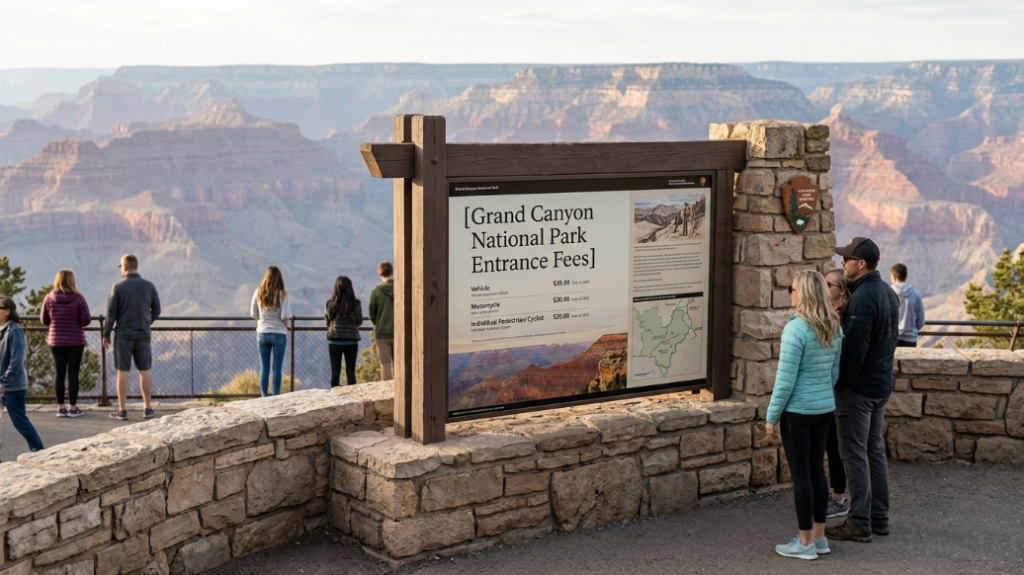
Before planning your trip, it’s important to understand the park’s entrance fee options. Admission fees help support the maintenance and preservation of Grand Canyon National Park.
Private Vehicle Pass
Visitors arriving in a private vehicle pay a single entrance fee that covers all passengers. The pass is valid for seven consecutive days, allowing multiple entries during that period.
Motorcycle Pass
Motorcycle visitors can purchase a discounted entrance pass, which is also valid for seven consecutive days.
Individual Entry Pass
Travelers entering the park by foot, bicycle, or shuttle bus can purchase an individual entrance pass.
Annual National Park Pass
Frequent travelers may benefit from purchasing the America the Beautiful Annual Pass, which provides unlimited access to hundreds of national parks and federal recreation sites across the United States for one year.
South Rim vs North Rim
One of the biggest decisions when planning your Grand Canyon Travel Guide is choosing between the South Rim and the North Rim. Each offers a unique experience depending on your travel style.
South Rim
The South Rim is the most visited section of Grand Canyon National Park, welcoming nearly 90% of all visitors each year.
It features:
- Visitor Centers
- Hotels and Lodges
- Restaurants and Cafés
- Shuttle Bus Services
- Museums
- Scenic Viewpoints
- Ranger Programs
- Easy Year-Round Accessibility
The South Rim is the best choice for first-time visitors because it offers the widest range of facilities and activities.
North Rim
The North Rim provides a quieter and more remote experience. Situated at a higher elevation, it offers cooler temperatures, lush forests, and fewer crowds.
Highlights include:
- Higher Elevation
- Cooler Summer Weather
- Peaceful Environment
- Dense Pine Forests
- Scenic Hiking Trails
- Spectacular Overlooks
- Excellent Wildlife Viewing
The North Rim is ideal for travelers seeking solitude, nature, and a less crowded Grand Canyon experience.
Best Viewpoints at the Grand Canyon
One of the highlights of any Grand Canyon Travel Guide is discovering the park’s spectacular viewpoints. Each overlook offers a unique perspective of the canyon’s colorful rock formations, deep gorges, and the winding Colorado River. Whether you visit at sunrise, sunset, or midday, every viewpoint provides unforgettable scenery and excellent photography opportunities.
The South Rim features the largest collection of easily accessible viewpoints, while the North Rim offers quieter overlooks with fewer crowds. If you’re visiting for the first time, make sure to include several of these iconic locations in your itinerary.
Mather Point
Mather Point is one of the first viewpoints most visitors see after entering the South Rim. Located close to the Visitor Center, it offers panoramic views of the canyon and is especially stunning during sunrise.
The viewpoint is easily accessible and features paved walkways, making it suitable for families, seniors, and wheelchair users. Photographers often arrive before dawn to capture the changing colors of the canyon as the sun rises.
Highlights
- Excellent sunrise views
- Easy access from the Visitor Center
- Family-friendly
- Perfect for first-time visitors
- Beautiful panoramic scenery
Yavapai Point
Yavapai Point is one of the best places to appreciate the immense size and geological history of the Grand Canyon. It also features the Yavapai Geology Museum, where visitors can learn about the canyon’s rock layers and formation.
Large observation windows and informative exhibits make this viewpoint educational as well as scenic.
Why Visit?
- Incredible panoramic views
- Geology Museum nearby
- Great photography location
- Easy walking trails
- Stunning sunset views
Hopi Point
Hopi Point is widely regarded as one of the best sunset locations in Grand Canyon National Park. Located along Hermit Road, it offers unobstructed views of the Colorado River and multiple canyon layers.
Because private vehicles are restricted on Hermit Road during much of the year, visitors can reach Hopi Point using the free shuttle bus.
Best For
- Sunset photography
- Wide canyon views
- Watching changing light colors
- Romantic evening visits
Desert View Watchtower
Located on the eastern side of the South Rim, Desert View Watchtower combines breathtaking scenery with fascinating history. The historic stone tower offers elevated views of the Colorado River and surrounding desert landscapes.
Visitors can climb to the top of the tower to enjoy one of the highest viewpoints in the park.
Highlights
- Historic architecture
- Colorado River views
- Scenic drive destination
- Excellent photography spot
Bright Angel Point (North Rim)
Bright Angel Point is the signature viewpoint of the North Rim. A short paved trail leads visitors to dramatic overlooks featuring steep cliffs, colorful rock formations, and breathtaking canyon vistas.
The cooler temperatures and smaller crowds make this viewpoint one of the most peaceful places in the park.
Highlights
- Less crowded
- Spectacular cliff views
- Easy walking trail
- Ideal for nature lovers
Best Hiking Trails in the Grand Canyon
Hiking is one of the most rewarding ways to experience the Grand Canyon. Trails range from short, easy walks suitable for beginners to challenging multi-day adventures that descend to the Colorado River.
Always carry plenty of water, wear sturdy hiking shoes, and check weather conditions before beginning any hike.
Bright Angel Trail
Bright Angel Trail is the park’s most famous hiking route. Starting near Bright Angel Lodge, the trail descends deep into the canyon while offering incredible viewpoints along the way.
Water stations and rest houses are available seasonally, making it one of the safest trails for visitors.
Trail Information
- Difficulty: Moderate to Difficult
- Round Trip: Flexible distance
- Best For: First-time hikers
- Scenic Rating:
South Kaibab Trail
South Kaibab Trail offers some of the most spectacular panoramic views in the entire park. Unlike Bright Angel Trail, there are no water stations along the route, so hikers must carry sufficient drinking water.
Popular turnaround points include Ooh Aah Point, Cedar Ridge, and Skeleton Point.
Highlights
- Outstanding panoramic views
- Excellent sunrise hike
- Less shade
- Challenging terrain
Rim Trail
The Rim Trail is ideal for visitors seeking an easy walk while enjoying magnificent canyon views. Much of the trail is paved and relatively flat, making it suitable for families and visitors of all fitness levels.
Several shuttle stops allow hikers to customize the distance they wish to walk.
Perfect For
- Families
- Wheelchair users
- Casual walkers
- Photography
- Sunset strolls
North Kaibab Trail
The North Kaibab Trail begins at the North Rim and descends toward the Colorado River. It passes through beautiful forests, dramatic cliffs, and unique rock formations.
This trail is considerably less crowded than South Rim hikes and is popular among experienced backpackers.
Best Features
- Remote wilderness experience
- Beautiful forests
- Excellent wildlife viewing
- Challenging adventure
Adventure Activities at the Grand Canyon
Beyond sightseeing, the Grand Canyon offers countless outdoor adventures for thrill-seekers and nature enthusiasts. Whether you’re looking for an adrenaline rush or a peaceful outdoor experience, there’s something for everyone.
Helicopter Tours
A helicopter tour provides an unforgettable bird’s-eye view of the Grand Canyon’s immense landscape. Flying over deep canyons, towering cliffs, and the Colorado River offers a completely different perspective than exploring on foot.
Many tours depart from the South Rim or Las Vegas and range from short scenic flights to luxury experiences with canyon landings.
Why Choose a Helicopter Tour?
- Incredible aerial views
- Time-saving sightseeing
- Professional narration
- Amazing photography opportunities
- Ideal for special occasions
Colorado River Rafting
Rafting along the Colorado River is one of the most exciting adventures available in Grand Canyon National Park. Trips range from smooth scenic floats to thrilling whitewater expeditions lasting several days.
Professional guides provide equipment, meals, and safety instruction, making rafting suitable for both beginners and experienced adventurers.
Popular Options
- Half-day rafting trips
- Full-day rafting adventures
- Multi-day wilderness expeditions
- Whitewater rafting
- Scenic float tours
Mule Rides
Mule rides have been a Grand Canyon tradition for over a century. Guided mule trips allow visitors to descend into the canyon while enjoying spectacular scenery without hiking.
These tours are extremely popular and often sell out months in advance.
Experience Includes
- Guided ride
- Historic trails
- Incredible viewpoints
- Unique adventure
- Memorable photo opportunities
Biking
Cycling is another excellent way to explore the South Rim. Several paved greenways and scenic roads provide safe routes for cyclists of all experience levels.
Bike rentals are available near the Visitor Center.
Benefits
- Eco-friendly transportation
- Flexible sightseeing
- Family-friendly activity
- Great exercise
- Access to beautiful viewpoints
Stargazing
The Grand Canyon is recognized as one of the best places in the United States for stargazing. Thanks to its dark skies and minimal light pollution, visitors can enjoy breathtaking views of the Milky Way, planets, and countless stars.
Many ranger-led astronomy programs are offered throughout the year.
Best Time for Stargazing
- New moon nights
- Clear summer evenings
- Autumn nights
- Designated dark-sky viewing areas
Part 3 Complete
In Part 4, we’ll cover:
- Where to Stay (Hotels & Lodges)
- Best Campgrounds
- Food & Restaurants
- Budget Travel Tips
- Family Travel Tips
- Photography Tips
- Wildlife Guide
- Essential Safety Tips
Nearby Attractions to Visit Around the Grand Canyon
While the Grand Canyon is the main highlight of northern Arizona, several nearby destinations are worth adding to your itinerary. These attractions offer breathtaking scenery, outdoor adventures, and unique cultural experiences that perfectly complement your Grand Canyon Travel Guide.
Horseshoe Bend
Located near the town of Page, Arizona, Horseshoe Bend is one of the most photographed natural landmarks in the American Southwest. The dramatic horseshoe-shaped curve of the Colorado River creates an unforgettable viewpoint, especially during sunrise and sunset.
Why Visit?
- Spectacular panoramic views
- Easy 1.5-mile round-trip walk
- Incredible photography opportunities
- Perfect stop on a Grand Canyon road trip
Antelope Canyon
Antelope Canyon is famous for its narrow sandstone walls, flowing rock formations, and beautiful light beams that shine through the canyon. It is one of the most visited slot canyons in the United States.
Highlights
- Guided tours available
- World-famous photography destination
- Unique sandstone formations
- Suitable for families
Monument Valley
Located on the Arizona Utah border, Monument Valley features towering sandstone buttes that have appeared in countless Hollywood movies and travel documentaries.
Best Activities
- Scenic driving tour
- Guided Navajo tours
- Photography
- Sunset viewing
Sedona
Sedona is well known for its stunning red rock formations, luxury resorts, hiking trails, and vibrant arts community. Many travelers combine Sedona with the Grand Canyon for an unforgettable Arizona vacation.
Popular Attractions
- Cathedral Rock
- Bell Rock
- Chapel of the Holy Cross
- Scenic hiking trails
- Jeep tours
Route 66 in Williams
The historic town of Williams is one of the best-preserved Route 66 destinations in America. Visitors can enjoy vintage diners, souvenir shops, classic cars, and the famous Grand Canyon Railway.
Things to Do
- Ride the Grand Canyon Railway
- Explore Route 66
- Visit local museums
- Shop for souvenirs
Sample 3-Day Grand Canyon Itinerary
A well-planned itinerary helps you experience the Grand Canyon without feeling rushed. Below is a suggested three-day itinerary for first-time visitors.
Day 1: Arrival and Scenic Viewpoints
Arrive at the South Rim early in the morning and begin your adventure by visiting the Grand Canyon Visitor Center. Stop at Mather Point and Yavapai Point to enjoy panoramic canyon views before exploring the nearby Geology Museum.
In the afternoon, take a leisurely walk along the Rim Trail and enjoy lunch at one of the park’s restaurants. End your day by watching the breathtaking sunset from Hopi Point before checking into your hotel or lodge.
Day 2: Hiking and Adventure
Start your morning with an early hike on the Bright Angel Trail or South Kaibab Trail. Remember to carry plenty of water, snacks, sunscreen, and proper hiking gear.
After lunch, consider taking a helicopter tour for incredible aerial views of the canyon or enjoy a scenic drive along Desert View Drive. Visit Desert View Watchtower before returning to your accommodation.
Day 3: Wildlife and Nearby Attractions
Spend your final morning watching wildlife and enjoying one last sunrise over the canyon. If time permits, drive to Horseshoe Bend or Antelope Canyon before continuing your journey to Flagstaff, Sedona, or Las Vegas.
This itinerary provides an excellent balance of sightseeing, adventure, photography, and relaxation.
Grand Canyon Packing Checklist
Packing wisely ensures a comfortable and enjoyable visit. The weather at the Grand Canyon can change quickly, so it’s important to be prepared for different conditions.
Essential Clothing
- Comfortable hiking shoes
- Lightweight clothing
- Warm jacket for evenings
- Rain jacket
- Hat or cap
- Sunglasses
- Extra socks
Hiking Essentials
- Reusable water bottles
- Backpack
- Trail snacks
- Hiking poles (optional)
- First-aid kit
- Flashlight or headlamp
- Pocket knife (where permitted)
Electronics
- Smartphone
- Camera
- Extra batteries
- Power bank
- Charging cables
- Memory cards
Personal Items
- Sunscreen
- Lip balm
- Insect repellent
- Personal medications
- Travel documents
- Cash and credit cards
Sustainable Travel Tips
Protecting the Grand Canyon ensures future generations can enjoy its natural beauty.
Follow Leave No Trace Principles
- Pack out all the trash.
- Stay on designated trails.
- Respect wildlife.
- Avoid damaging plants and rocks.
- Use refillable water bottles.
- Support local businesses whenever possible.
Responsible travel helps preserve one of the world’s greatest natural wonders.
Frequently Asked Questions
1. What is the best time to visit the Grand Canyon?
Spring (March to May) and Fall (September to November) are generally considered the best times to visit because of the pleasant weather, fewer crowds, and excellent hiking conditions.
2. How many days do I need to explore the Grand Canyon?
A stay of 2 to 3 days is ideal for first-time visitors. This allows enough time to visit major viewpoints, enjoy hiking trails, take scenic drives, and participate in activities such as helicopter tours or rafting.
3. Is the Grand Canyon suitable for family vacations?
Yes. The Grand Canyon is an excellent destination for families. It offers accessible viewpoints, easy walking trails, free shuttle buses, educational visitor centers, ranger programs, and plenty of outdoor activities suitable for children and adults alike.
Also Read;
Dubai Desert Safari Guide: Best Tours, Prices, Activities & Travel Tips (2026)
Best Places to Visit in USA: A Complete Travel Guide for an Unforgettable American Adventure
Conclusion
The Grand Canyon Travel Guide provides everything you need to plan an unforgettable journey to one of the world’s most iconic natural landmarks. Whether you’re hiking along scenic trails, watching the sunrise from Mather Point, rafting through the Colorado River, or simply enjoying the breathtaking panoramic views, every moment at the Grand Canyon offers memories that will last a lifetime.
Careful planning is the key to making the most of your visit. Choosing the right season, booking accommodations in advance, packing appropriate gear, and following park safety guidelines will help ensure a smooth and enjoyable experience. Whether you’re traveling solo, with family, or as part of a group, the Grand Canyon has something for every type of traveler.

