

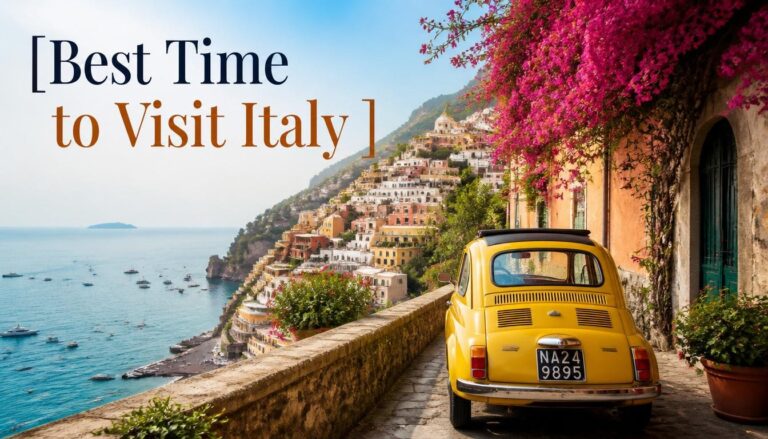
The Best Time to Visit Italy depends on your travel style, budget, and the places you want to see. Italy offers beautiful cities, peaceful countryside, sunny beaches, and snowy mountains throughout the year. Therefore, each season brings different weather, events, and travel experiences. Whether you dream of walking through Rome, sailing along the Amalfi Coast, or tasting fresh food in Tuscany, choosing the right season helps you enjoy every moment. Moreover, knowing what to expect before you travel can save both time and money.
Italy is one of the world’s most loved travel destinations because it offers history, culture, art, food, and natural beauty in every region. However, the weather changes from north to south, so travel conditions may vary. Furthermore, festivals, crowds, and hotel prices also change with each season. This guide explains the Best Time to Visit Italy for sightseeing, beaches, family holidays, outdoor adventures, and budget travel. As a result, you can plan your trip with confidence and enjoy an unforgettable Italian holiday.
Why the Best Time to Visit Italy Depends on Your Travel Goals
Featured Snippet
The best time to visit Italy is generally during spring (April to June) and autumn (September to October). These months offer pleasant weather, fewer crowds, comfortable sightseeing conditions, and beautiful scenery. However, the ideal season also depends on whether you want beaches, skiing, festivals, or lower travel costs.
Italy is not the same throughout the year. First, the country stretches from the Alps in the north to the Mediterranean Sea in the south. Therefore, temperatures and weather can be very different between regions.
Moreover, every season offers something special. Spring brings blooming flowers, summer offers sunny beaches, autumn fills vineyards with colour, and winter welcomes Christmas markets and skiing adventures.
Travel Goals and the Best Seasons
| Travel Goal | Best Time |
| Sightseeing | April to June, September to October |
| Beach Holidays | June to early September |
| Wine Tours | September and October |
| Ski Holidays | December to February |
| Budget Travel | November, January, February |
| Hiking | May, June, September |
Spring (March to May): One of the Best Time to Visit Italy Choices
Spring is one of the most popular seasons because the weather becomes warm without feeling too hot. Moreover, flowers bloom across parks, gardens, and countryside villages, creating colourful landscapes.
Furthermore, many famous attractions become easier to enjoy because summer crowds have not fully arrived. As a result, visitors often spend less time waiting in long lines.
Weather During Spring
Spring temperatures usually range between 10°C and 24°C, depending on the region. Northern Italy stays cooler, while southern areas become pleasantly warm much earlier.
Meanwhile, light rain may appear from time to time. Therefore, carrying a light waterproof jacket is a smart idea.
Why Visit Italy in Spring?
- Pleasant weather for walking
- Beautiful flowers across cities
- Comfortable sightseeing
- Lower hotel prices than summer
- Great time for photography
- Outdoor cafés begin to open
Best Places to Visit in Spring
Rome
Rome becomes comfortable for walking during spring. Therefore, visitors can explore ancient streets without extreme summer heat.
Florence
Furthermore, Florence looks beautiful as gardens and parks fill with colourful flowers. Outdoor dining has also become very popular.
Venice
Venice enjoys mild weather during spring. As a result, gondola rides become even more enjoyable before peak tourist season begins.
Tuscany
Meanwhile, Tuscany offers green hills, fresh vineyards, and peaceful country roads. Spring is perfect for scenic drives and relaxing village visits.
Summer (June to August): Perfect for Beaches and Coastal Holidays
Summer is Italy’s busiest travel season because schools close and warm weather attracts visitors from around the world. Therefore, popular attractions often become crowded.
However, summer is also the best season for enjoying Italy’s beautiful coastline and islands. Moreover, many outdoor festivals take place during these months.
Summer Weather
Temperatures usually stay between 25°C and 35°C. However, southern Italy can become even hotter during July and August.
Furthermore, coastal areas often feel more comfortable because sea breezes help cool the air.
Advantages of Summer Travel
- Long sunny days
- Warm Mediterranean Sea
- Beach clubs fully open
- Outdoor concerts
- Island hopping
- Family-friendly school holidays
Things to Consider
Summer brings higher prices for flights and hotels. Therefore, booking several months early often provides better choices.
Moreover, famous attractions may become very crowded. Early morning visits usually offer a more comfortable experience.
Best Coastal Destinations in Summer
Amalfi Coast
The Amalfi Coast becomes lively with sunshine, boat trips, and seaside restaurants. Furthermore, colourful villages create postcard-perfect views.
Sardinia
Sardinia offers crystal-clear water and white sandy beaches. Therefore, it remains one of Europe’s favourite summer beach destinations.
Sicily
Meanwhile, Sicily combines beaches, history, and excellent local food. Visitors can enjoy both relaxing holidays and cultural sightseeing.
Cinque Terre
Cinque Terre welcomes hikers and photographers during summer. Moreover, colourful villages overlooking the sea provide unforgettable scenery.
Autumn (September to November): A Favourite Season for Many Travellers
Many experienced travellers believe autumn is the Best Time to Visit Italy because pleasant weather continues while summer crowds begin to disappear.
Furthermore, vineyards become full of ripe grapes, making this season ideal for wine lovers and food enthusiasts.
Autumn Weather
Temperatures usually range from 15°C to 28°C during early autumn. However, northern Italy gradually becomes cooler as November approaches.
Moreover, colourful leaves transform parks, vineyards, and countryside landscapes into beautiful autumn scenes.
Reasons to Visit During Autumn
- Comfortable temperatures
- Fewer tourists
- Beautiful autumn colours
- Excellent local food
- Wine harvest season
- Better hotel availability
Tuscany During Harvest Season
Tuscany becomes especially beautiful during September and October. Vineyards become busy with grape harvesting, while local restaurants serve fresh seasonal dishes.
Furthermore, many villages celebrate harvest festivals where visitors can enjoy traditional food, local wine, and regional culture.
Major Festivals That May Affect Your Travel Plans
Italy celebrates many festivals throughout the year. Therefore, checking local event dates before booking your trip is always helpful.
| Season | Popular Events | Travel Impact |
| Spring | Easter Celebrations | Moderate crowds |
| Summer | Music Festivals | High demand |
| Autumn | Wine Harvest Festivals | Popular countryside travel |
| Winter | Christmas Markets | Busy city centres |
Winter (December to February): Quiet Cities and Snowy Adventures
Winter offers a very different side of Italy. First, many cities become quieter after the holiday season. Therefore, visitors often enjoy famous landmarks with fewer crowds.
Moreover, northern Italy welcomes snow, while southern regions stay much milder. As a result, winter suits both ski lovers and city explorers.
Winter Weather
Winter temperatures usually range between -2°C and 15°C, depending on the region. Northern mountains stay cold and snowy, while southern coastal areas remain comfortable.
Furthermore, rain is more common in some cities. Therefore, warm layers and waterproof shoes are useful.
Why Visit Italy in Winter?
- Lower hotel prices after New Year
- Smaller crowds at major attractions
- Beautiful Christmas decorations
- Excellent skiing conditions
- Cosy cafés and restaurants
- Seasonal local dishes
Best Winter Destinations
Milan
Milan shines during the holiday season. Moreover, elegant shopping streets sparkle with festive lights and decorations.
Rome
Rome stays much warmer than northern cities. Therefore, winter remains a pleasant time for sightseeing.
The Dolomites
The Dolomites become a paradise for winter sports. Skiers, snowboarders, and hikers enjoy breathtaking mountain views.
Venice
Venice feels peaceful during winter mornings. Furthermore, fewer visitors create a calm atmosphere around the canals.
Month-by-Month Guide to the Best Time to Visit Italy
Choosing the right month can make your trip even better. Therefore, this quick guide helps you compare weather, crowds, and activities.
| Month | Weather | Crowds | Best For |
| January | Cold | Low | Museums, skiing, budget travel |
| February | Cold | Low | Carnival events, winter holidays |
| March | Mild | Low | City breaks, spring flowers |
| April | Pleasant | Medium | Sightseeing, gardens |
| May | Warm | Medium | Outdoor travel, hiking |
| June | Sunny | High | Beaches, coastal towns |
| July | Hot | Very High | Summer holidays |
| August | Very Hot | Very High | Islands, beaches |
| September | Warm | Medium | Wine tours, sightseeing |
| October | Mild | Medium | Autumn colours, food trips |
| November | Cool | Low | Budget travellers |
| December | Cold | Medium | Christmas markets, skiing |
Regional Weather Across Italy
Italy stretches over a long distance. Therefore, the weather changes from north to south.
Northern Italy
Northern Italy has four clear seasons. Winters are colder, while summers stay warm. Moreover, mountain areas receive heavy snowfall.
Popular destinations include:
- Milan
- Venice
- Verona
- Lake Como
- The Dolomites
Central Italy
Central Italy enjoys warm summers and pleasant spring and autumn weather. Therefore, this region remains popular throughout the year.
Popular destinations include:
- Rome
- Florence
- Pisa
- Tuscany
- Umbria
Southern Italy
Southern Italy enjoys the warmest climate. Moreover, beach weather lasts much longer than in northern regions.
Popular destinations include:
- Naples
- Amalfi Coast
- Sicily
- Puglia
- Calabria
Transportation Tips for Every Season
Italy offers many ways to travel between cities. Therefore, planning transport early makes your trip easier.
High-Speed Trains
Italy’s high-speed rail network connects major cities quickly. Moreover, trains are comfortable and reliable.
Popular train routes include:
- Rome to Florence
- Florence to Milan
- Rome to Naples
- Venice to Milan
Renting a Car
A rental car works well for countryside travel. Therefore, it is ideal for exploring Tuscany, Umbria, and small villages.
However, driving inside historic city centres can be difficult because many areas have traffic restrictions.
Domestic Flights
Domestic flights help travellers cover long distances quickly. Furthermore, they save time when visiting islands like Sicily or Sardinia.
Ferries
Ferries connect the mainland with many islands. Moreover, they offer beautiful sea views during the journey.
Budget Tips Based on the Season
Travel costs change throughout the year. Therefore, choosing the right season can help you save money.
High Season
The high season usually includes June through August.
During this period:
- Flights cost more.
- Hotels sell out quickly.
- Beaches become crowded.
- Attractions have long queues.
Shoulder Season
Spring and autumn are called the shoulder seasons.
These months often provide:
- Pleasant weather
- Better hotel prices
- Comfortable sightseeing
- Shorter waiting times
Low Season
Winter is usually the least expensive season outside Christmas and New Year.
Therefore, budget travellers often enjoy:
- Lower hotel prices
- Discounted flights
- Less crowded attractions
- Relaxed sightseeing
Is Italy Good for Families?
Italy welcomes families throughout the year. Moreover, many attractions suit both children and adults.
Spring and early autumn often provide the best balance of weather and crowd levels. Therefore, families can spend more time outdoors without extreme heat.
Family-friendly activities include:
- Visiting castles
- Exploring ancient ruins
- Boat rides
- Beach holidays
- Countryside farm stays
- Interactive museums
Accessibility for Travellers
Italy continues to improve accessibility in many popular destinations. However, older historic areas may still present challenges.
Many airports, railway stations, and modern hotels offer accessible facilities. Furthermore, several museums provide lifts and accessible entrances.
Before travelling, check accessibility information for:
- Hotels
- Public transport
- Historic attractions
- Guided tours
Planning ahead helps create a smoother travel experience.
Safety Tips for Visiting Italy
Italy is generally a safe country for tourists. However, simple precautions make every trip more enjoyable.
Helpful safety tips include:
- Keep valuables secure.
- Stay aware in crowded areas.
- Use licensed taxis.
- Carry travel insurance.
- Drink plenty of water during summer.
- Wear comfortable walking shoes.
Moreover, always keep digital copies of important travel documents.
Booking Advice for the Best Time to Visit Italy
Booking early often gives better prices and more choices. Therefore, planning several months ahead is helpful for popular travel periods.
For summer travel, flights and hotels may fill quickly. Moreover, famous coastal resorts often reach full capacity during peak holidays.
If you plan to visit during spring or autumn, you may still find good accommodation choices. However, booking early remains a smart decision for major cities like Rome, Florence, and Venice.
For winter ski holidays, reserve mountain accommodation well before the holiday season. As a result, you will have a wider choice of hotels and better rates.
Local Travel Tips
A few simple habits can improve your Italian holiday.
First, wear comfortable shoes because many historic streets use stone paving. Moreover, walking is often the best way to explore city centres.
Next, enjoy meals at local restaurants away from busy tourist areas. Therefore, you may experience more authentic regional food.
Furthermore, carry some cash because small shops and cafés may not always accept cards.
Finally, learn a few simple Italian greetings. Even basic words like “Buongiorno” and “Grazie” are appreciated by local people and can make your travel experience even more enjoyable.
Best Time to Visit Italy for Different Travel Styles
Every traveller has different goals. Therefore, the best time to visit Italy depends on the type of holiday you want. Some people love beaches, while others prefer history, hiking, or local food.
The guide below makes it easy to choose the right season for your trip.
| Travel Style | Best Time |
| Sightseeing | April to June, September to October |
| Beach Holiday | June to early September |
| Honeymoon | May, June, September |
| Hiking | May, June, September |
| Food and Wine | September and October |
| Photography | April, May, October |
| Ski Holiday | December to February |
| Budget Travel | November, January, February |
Best Time to Visit Italy for a Honeymoon
A romantic holiday deserves beautiful weather and peaceful surroundings. Therefore, many couples choose late spring or early autumn.
May, June, and September usually offer warm days and comfortable evenings. Moreover, these months have fewer crowds than the busiest summer weeks.
Romantic destinations include:
- Venice
- Amalfi Coast
- Lake Como
- Tuscany
- Florence
- Positano
Couples can enjoy scenic walks, sunset dinners, boat trips, and charming villages without extreme summer heat.
Best Time to Visit Italy for Photography
Italy offers amazing photo opportunities in every season. However, spring and autumn often provide the most beautiful natural light.
Spring brings colourful flowers, green hills, and fresh landscapes. Furthermore, autumn adds golden vineyards and colourful trees across the countryside.
Popular photography locations include:
- Venice canals
- Tuscany vineyards
- Amalfi Coast viewpoints
- Lake Como
- Florence skyline
- The Dolomites
Early morning and late afternoon usually provide the softest natural light.
Best Time to Visit Italy for Hiking
Italy has many excellent hiking trails. Therefore, choosing the right season improves both comfort and safety.
Spring and early autumn usually offer mild temperatures and clear skies. Moreover, hiking trails are less crowded than during peak summer.
Popular hiking areas include:
- The Dolomites
- Cinque Terre
- Tuscany countryside
- Lake Garda
- Abruzzo National Park
Always check local weather conditions before starting longer hikes because mountain weather may change quickly.
Best Time to Visit Italy for Food and Wine
Italian food changes with the seasons. Therefore, every visit offers something unique.
Autumn is especially popular because vineyards begin harvesting grapes. Moreover, local markets are filled with seasonal fruits, vegetables, mushrooms, and fresh olive oil.
Food lovers often visit:
- Tuscany
- Piedmont
- Emilia-Romagna
- Sicily
- Puglia
Many regions also host food and wine festivals during September and October.
How to Choose the Best Time to Visit Italy
The Best Time to Visit Italy depends on what matters most to you. Therefore, ask yourself a few simple questions before booking.
- Do you want warm beach weather?
- Would you rather avoid crowds?
- Are you travelling with children?
- Do you want lower hotel prices?
- Are outdoor activities your priority?
If sightseeing is your main goal, spring and autumn are usually the best choices. However, if beaches are your priority, summer offers the warmest sea and longest days.
Likewise, winter is ideal for skiing, Christmas markets, and quieter city breaks.
Frequently Asked Questions
Is Spring the Best Time to Visit Italy?
Yes. Spring is one of the most popular seasons because the weather is pleasant, flowers bloom, and sightseeing is comfortable.
Is Italy too hot during summer?
Some parts of Italy become very hot during July and August. However, coastal areas often feel cooler because of sea breezes.
What is the cheapest time to visit Italy?
November, January, and February are generally the most affordable months outside the Christmas holiday period.
Which month has the fewest tourists?
January and November usually have fewer visitors. Therefore, travellers often enjoy quieter attractions and better hotel prices.
When is the best time for beaches in Italy?
June through early September offers warm sunshine and comfortable sea temperatures for swimming and water sports.
Is autumn a good time for Italy?
Yes. Autumn offers pleasant weather, colourful scenery, and excellent food experiences. Moreover, crowds are usually smaller than in summer.
How many days should I spend in Italy?
Many visitors spend 10 to 14 days exploring Italy. However, even a one-week trip can cover several famous destinations.
Also Read;
25 Best Things to Do in Tokyo: The Ultimate 2026 Travel Guide
Conclusion
Choosing the Best Time to Visit Italy depends on the experience you want. Spring and autumn are usually the best seasons for sightseeing because the weather is mild and the crowds are smaller. Moreover, these months offer beautiful scenery, comfortable walking conditions, and excellent opportunities to enjoy Italy’s culture, history, and local food. Summer is perfect for beach holidays, while winter is ideal for skiing, festive markets, and peaceful city breaks.
Overall, Italy is a wonderful destination in every season. Therefore, planning your trip around your interests will help you enjoy every moment. Whether you dream of exploring ancient cities, relaxing on the coast, hiking through mountains, or tasting regional cuisine, the Best Time to Visit Italy is different for every traveller. With careful planning, you can enjoy an unforgettable journey filled with beautiful landscapes, rich traditions, and memorable experiences.

