

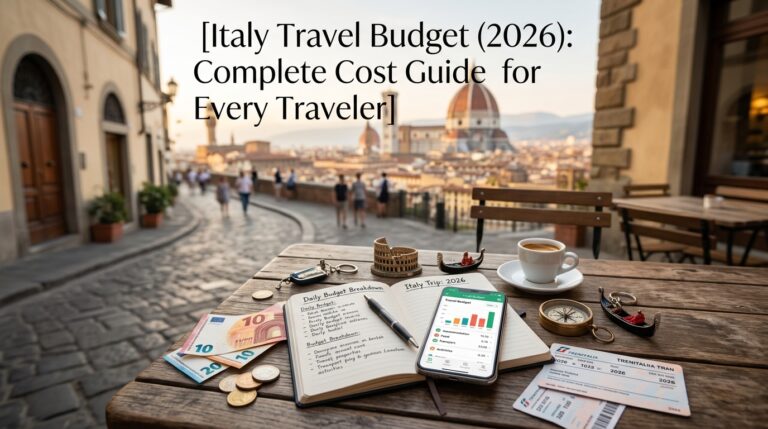
Planning a vacation to Italy is exciting, but one of the biggest questions travelers have is, “How much money do I need for Italy?” Whether you dream of walking through Rome’s ancient streets, cruising Venice’s canals, exploring Florence’s art museums, or relaxing along the Amalfi Coast, understanding your Italy Travel Budget is the key to avoiding unexpected expenses and enjoying a stress-free trip.
This complete Italy Travel Budget guide covers everything you need to know before your journey. From accommodation and transportation to food, sightseeing, shopping, and practical money-saving tips, you’ll find realistic estimates for budget, mid-range, and luxury travelers. By the end of this guide, you’ll have a clear idea of how much to spend and how to make the most of every euro during your Italian adventure.
Why Planning an Italy Travel Budget Is Important
Italy is one of Europe’s most visited destinations, attracting millions of tourists every year. While the country offers unforgettable experiences, travel costs can vary significantly depending on where you go, when you visit, and the type of vacation you want. Careful financial planning helps you enjoy your trip without worrying about overspending.
A well-planned Italy Travel Budget also allows you to prioritize experiences that matter most. Some travelers prefer staying in boutique hotels and dining at fine restaurants, while others focus on exploring historic landmarks and local markets. Knowing your expected expenses in advance helps you balance comfort, entertainment, and savings throughout your trip.
Average Italy Travel Budget Per Day
Your daily expenses depend on your travel style. Backpackers can comfortably explore Italy on a modest budget, while luxury travelers may spend several hundred euros every day.
| Travel Style | Daily Budget |
| Budget Traveler | €70–€120 |
| Mid-Range Traveler | €150–€250 |
| Luxury Traveler | €350–€700+ |
These estimates generally include:
- Accommodation
- Local transportation
- Meals
- Attractions
- Daily expenses
- Small shopping allowance
Flights are usually calculated separately because prices vary based on your departure country and booking time.
What Affects Your Italy Travel Budget?
Several factors influence how much your Italian vacation will cost.
1. Travel Season
Italy experiences major price changes throughout the year.
Peak Season (June–August)
Hotels are expensive.
Flights cost more.
Tourist attractions become crowded.
Restaurant prices may increase in popular destinations.
Shoulder Season (April–May & September–October)
Pleasant weather.
Moderate hotel prices.
Shorter queues.
Excellent value for money.
Low Season (November–March)
Cheapest accommodation.
Discounted flights.
Fewer tourists.
Cold weather in northern Italy.
Traveling during the shoulder season is often the best balance between affordability and enjoyable weather, making it ideal for travelers looking to optimize their Italy Travel Budget.
Estimated Flight Costs to Italy
Airfare depends on your location, airline, and booking period.
| Departure Region | Average Round Trip Cost |
| United States | €500–€1,000 |
| Canada | €600–€1,100 |
| United Kingdom | €80–€250 |
| Australia | €900–€1,600 |
| Asia | €450–€1,200 |
Booking flights 2–5 months in advance often results in lower fares.
Flexible travel dates can also help reduce your overall Italy Travel Budget.
Italy Visa Costs
If you require a Schengen visa, you should include visa fees in your travel planning.
Estimated expenses include:
- Schengen Visa Fee
- Travel Insurance
- Passport Photos
- Document Printing
- Visa Application Service Charges (if applicable)
Always verify the latest visa requirements before booking your trip.
Accommodation Costs in Italy
Accommodation is usually the largest expense after airfare. Fortunately, Italy offers options for every budget.
Hostels
Perfect for backpackers and solo travelers.
Average Price:
- €25–€60 per night
Includes:
- Shared dormitory
- Shared kitchen
- Free Wi-Fi
Budget Hotels
Suitable for couples and families.
Average Price:
- €70–€130 per night
Usually includes:
- Private bathroom
- Breakfast
- Wi-Fi
- Air conditioning
Mid-Range Hotels
Average Cost:
- €140–€250 per night
Offers:
- Comfortable rooms
- Great city-center locations
- Better amenities
- Breakfast included
Luxury Hotels
Average Price:
- €300–€900+ per night
Expect:
- Premium service
- Spa facilities
- Rooftop restaurants
- Stunning city views
- Five-star hospitality
Vacation Rentals
Apartments can be an excellent option for families and groups.
Typical Price:
- €90–€250 per night
Benefits include:
- Kitchen access
- Laundry facilities
- More living space
- Lower food expenses
Using vacation rentals can significantly reduce your Italy Travel Budget, especially for longer stays.
Accommodation Costs by City
| City | Budget Hotel | Mid-Range | Luxury |
| Rome | €90 | €180 | €450+ |
| Florence | €85 | €170 | €420+ |
| Venice | €110 | €220 | €500+ |
| Milan | €100 | €200 | €480+ |
| Naples | €75 | €150 | €350+ |
Rome and Venice are generally more expensive than Naples or Bologna, so choosing your destinations wisely can have a noticeable impact on your total travel expenses.
Food Costs in Italy
Food is one of the highlights of visiting Italy. From authentic Neapolitan pizza and handmade pasta to creamy gelato and rich espresso, every meal becomes part of the travel experience. The good news is that eating well doesn’t have to be expensive if you know where to dine.
Your Italy Travel Budget can stay affordable by choosing local trattorias, bakeries, cafés, and neighborhood restaurants instead of tourist-focused dining spots. Many family-run restaurants offer generous portions, fresh ingredients, and lower prices while giving you a more authentic taste of Italian cuisine.
Breakfast Costs
Most hotels include breakfast, but if yours doesn’t, you’ll still find plenty of affordable options.
Average breakfast prices:
| Breakfast Option | Average Cost |
| Coffee & Croissant | €3–€6 |
| Café Breakfast | €6–€12 |
| Hotel Breakfast | €10–€20 |
Many Italians enjoy a simple breakfast of espresso and a pastry, making it an inexpensive way to start your day.
Lunch Costs
Lunch prices vary depending on the city and restaurant.
| Restaurant Type | Average Cost |
| Street Food | €5–€10 |
| Local Café | €10–€18 |
| Casual Restaurant | €15–€25 |
Popular lunch choices include:
- Fresh pizza slices
- Panini sandwiches
- Pasta dishes
- Salads
- Seafood in coastal cities
Dinner Costs
Dinner is usually the biggest meal of the day in Italy.
| Restaurant Type | Average Price |
| Budget Restaurant | €15–€25 |
| Mid-Range Restaurant | €25–€50 |
| Fine Dining | €70–€150+ |
Dinner prices increase in major tourist destinations such as Rome, Venice, Florence, and the Amalfi Coast.
Average Daily Food Budget
| Traveler Type | Daily Food Budget |
| Budget | €20–€35 |
| Mid-Range | €40–€70 |
| Luxury | €100–€250+ |
Including food expenses in your Italy Travel Budget ensures you can enjoy local specialties without overspending.
Popular Italian Foods Worth Trying
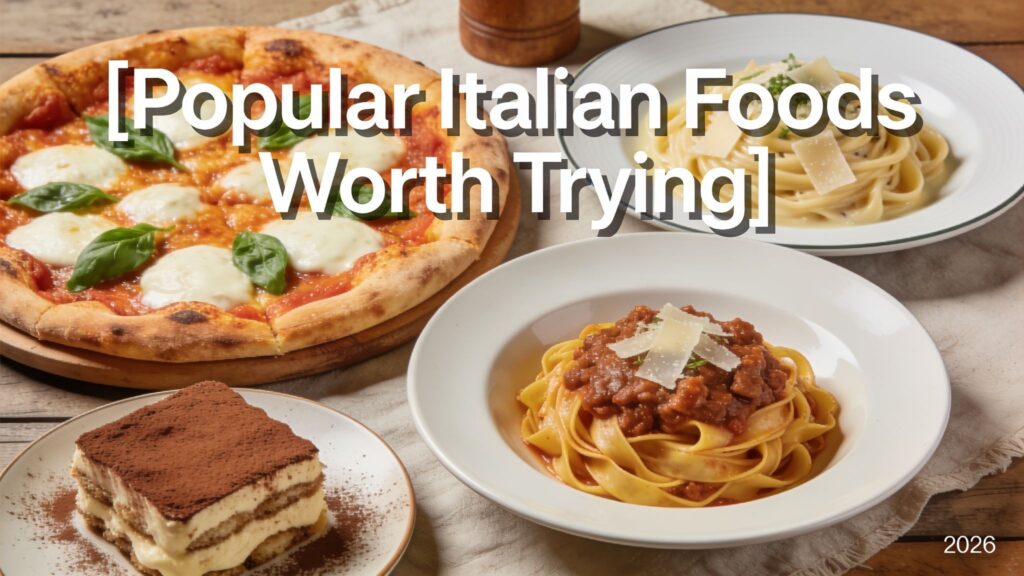
Italy is famous for its regional dishes, and trying local cuisine is one of the best parts of any trip.
Don’t miss:
- Margherita Pizza
- Fresh Pasta
- Lasagna
- Risotto
- Gelato
- Tiramisu
- Arancini
- Cannoli
- Italian Espresso
- Fresh Seafood
Eating where locals dine often means better quality food at lower prices.
Grocery Costs
Travelers staying in apartments or vacation rentals can save money by preparing simple meals.
Average grocery prices:
| Item | Average Price |
| Bread | €2–€4 |
| Milk | €1.50–€2 |
| Eggs | €3–€5 |
| Pasta | €1–€3 |
| Cheese | €4–€8 |
| Fresh Fruit | €2–€5 |
| Water | €0.50–€2 |
Cooking even one meal each day can significantly reduce your overall Italy Travel Budget.
Transportation Costs in Italy
Italy has one of Europe’s best transportation systems. Travelers can easily move between cities using trains, buses, metros, ferries, and domestic flights.
Transportation costs depend on your itinerary, travel style, and how many cities you plan to visit.
Public Transportation Costs
Most major cities have reliable public transport systems.
| Transport | Average Fare |
| Metro Ticket | €1.50–€2.50 |
| City Bus | €1.50–€2.50 |
| Tram | €1.50–€2.50 |
| Daily Pass | €7–€15 |
Cities with excellent public transport include:
- Rome
- Milan
- Naples
- Turin
- Florence
Buying daily or multi-day passes is often more economical than purchasing individual tickets.
Train Travel Costs
Italy’s high-speed rail network makes traveling between cities fast and comfortable.
Popular routes:
| Route | Average Price |
| Rome → Florence | €20–€60 |
| Florence → Venice | €25–€70 |
| Rome → Milan | €35–€90 |
| Milan → Venice | €20–€60 |
Booking tickets several weeks in advance usually results in lower fares.
Regional Trains
Regional trains are slower but much cheaper.
Average ticket prices:
- €5–€30
These trains are ideal for travelers exploring small towns and countryside destinations while keeping their Italy Travel Budget under control.
Domestic Flights

Although trains are often the better option, domestic flights can save time on longer routes.
Typical prices:
- €40–€150
Budget airlines frequently offer discounted fares if booked early.
Car Rental Costs
Renting a car is recommended if you plan to visit Tuscany, Sicily, Sardinia, or other rural regions.
Average daily rental:
| Vehicle Type | Cost |
| Economy | €35–€60 |
| SUV | €70–€120 |
| Luxury | €150+ |
Additional expenses include:
- Fuel
- Parking
- Highway tolls
- Insurance
Fuel Prices
Fuel costs fluctuate throughout the year.
Average prices:
- Petrol: €1.80–€2.10 per liter
- Diesel: €1.70–€2.00 per liter
These costs should be considered if you’re planning a road trip across Italy.
Taxi Costs
Taxis are available in all major cities.
Average fares:
| Service | Cost |
| Starting Fare | €4–€7 |
| Per Kilometer | €1.20–€2 |
| Airport Transfer | €35–€70 |
Ride-sharing options may be available in some cities, but public transport is generally more budget-friendly.
Ferry Costs
If you’re visiting coastal regions or islands, ferries may be part of your itinerary.
Common ferry routes include:
- Naples to Capri
- Naples to Ischia
- Sicily crossings
- Venice lagoon services
Average ferry ticket:
- €20–€60
Transportation Budget by Traveler Type
| Traveler Type | Daily Transport Budget |
| Budget | €8–€20 |
| Mid-Range | €20–€45 |
| Luxury | €60–€150 |
Planning your transportation in advance can help keep your Italy Travel Budget manageable while allowing you to explore more destinations efficiently.
Sightseeing and Attraction Costs

Italy is home to some of the world’s most famous historical landmarks, museums, churches, and UNESCO World Heritage Sites. From ancient Roman ruins to Renaissance masterpieces, you’ll find countless attractions worth visiting. Including entrance fees in your Italy Travel Budget helps you avoid surprises and makes trip planning much easier.
Many cities also offer combination tickets or tourist passes that provide access to multiple attractions at discounted prices. If you plan to visit several landmarks, these passes can save both money and time.
Average Entrance Fees for Popular Attractions
| Attraction | Average Ticket Price |
| Colosseum (Rome) | €18–€25 |
| Roman Forum & Palatine Hill | Included with combo ticket |
| Vatican Museums | €20–€30 |
| Sistine Chapel | Included with Vatican ticket |
| Leaning Tower of Pisa | €20–€30 |
| Uffizi Gallery (Florence) | €20–€30 |
| Accademia Gallery | €16–€25 |
| Doge’s Palace (Venice) | €25–€35 |
| Pompeii Archaeological Park | €18–€25 |
Booking tickets online in advance can help you secure your preferred time slot and avoid long queues, especially during the busy summer months.
Free Attractions in Italy
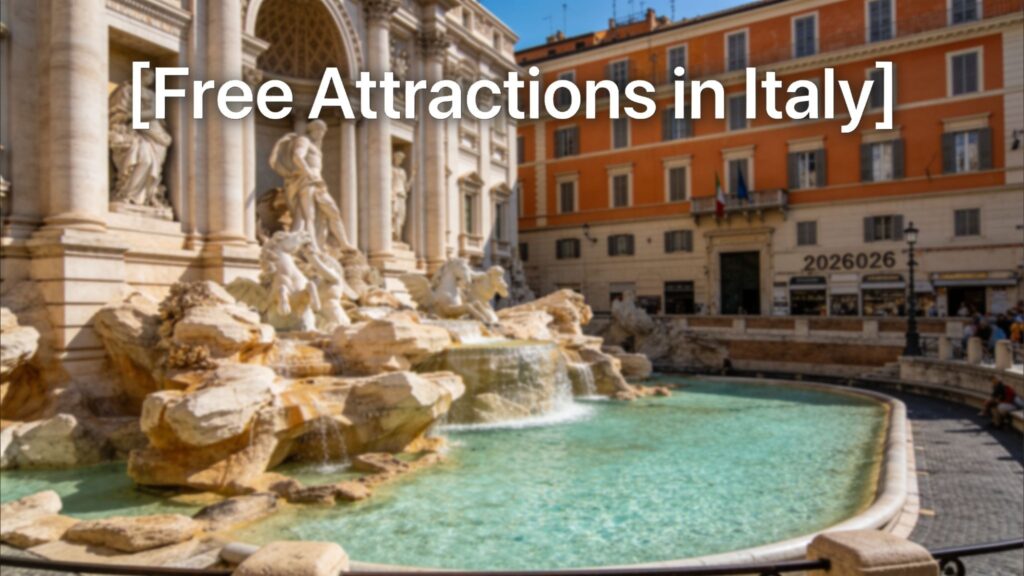
Not every memorable experience comes with an admission fee. Italy offers plenty of free attractions that allow travelers to enjoy its beauty while keeping their Italy Travel Budget low.
Popular free experiences include:
- Walking through historic city centers
- Visiting public piazzas
- Exploring local markets
- Relaxing in public gardens and parks
- Admiring church architecture (where free entry is available)
- Watching sunsets along coastal promenades
- Strolling across famous bridges in Venice and Florence
These activities let you experience Italian culture without increasing your travel expenses.
Guided Tours
Guided tours provide valuable historical insights and often include skip-the-line access.
Average tour prices:
| Tour Type | Average Cost |
| Walking Tour | €15–€40 |
| Food Tour | €50–€120 |
| Wine Tasting Tour | €60–€180 |
| Day Trip | €80–€250 |
| Private Tour | €200–€500+ |
While optional, guided tours can greatly enhance your understanding of Italy’s history, art, and cuisine.
Shopping Budget
Shopping is another expense to consider when planning your Italy Travel Budget. Italy is famous for fashion, leather goods, handmade ceramics, jewelry, and gourmet food products.
Average shopping costs:
| Item | Average Price |
| Souvenirs | €5–€30 |
| Leather Wallet | €30–€100 |
| Handmade Leather Bag | €80–€300 |
| Italian Wine | €10–€50 |
| Olive Oil | €8–€30 |
| Local Chocolates | €5–€20 |
If you enjoy shopping, it’s wise to set a separate budget so you don’t overspend during your trip.
Internet and SIM Card Costs
Staying connected is essential for navigation, booking tickets, and communicating with family or friends.
Typical costs:
| Service | Average Price |
| Tourist SIM Card | €15–€35 |
| eSIM Plan | €10–€30 |
| Pocket Wi-Fi Rental | €5–€12 per day |
Many hotels, cafés, restaurants, and public areas also provide free Wi-Fi.
Travel Insurance Costs

Travel insurance is highly recommended for international trips. It can protect you against unexpected medical expenses, trip cancellations, lost baggage, and travel delays.
Estimated insurance costs:
| Trip Length | Average Cost |
| 5–7 Days | €20–€50 |
| 10–14 Days | €40–€80 |
| 2–3 Weeks | €60–€120 |
Adding travel insurance to your Italy Travel Budget provides peace of mind throughout your journey.
Hidden Costs to Consider
Many travelers overlook small expenses that can add up over time. Including these in your budget helps you avoid financial surprises.
Common hidden costs include:
- City tourist taxes
- Airport transfers
- Hotel service charges
- Tips (where appropriate)
- Public restroom fees
- Luggage storage
- Snacks and bottled water
- Currency exchange fees
Planning for these extra expenses makes your overall budget more accurate.
Money-Saving Tips for Italy
Traveling smart can significantly reduce your overall expenses without sacrificing your experience.
Here are some practical ways to save money:
- Travel during the shoulder season for lower prices.
- Book flights and hotels several months in advance.
- Use regional trains for shorter journeys.
- Walk whenever possible in historic city centers.
- Purchase city transportation passes.
- Eat at local trattorias instead of tourist restaurants.
- Carry a reusable water bottle and refill it at public fountains where safe.
- Stay in apartments if traveling with family or friends.
- Visit free museums on designated free-entry days.
- Set a daily spending limit and track your expenses.
These simple strategies can help you stretch your Italy Travel Budget while still enjoying everything the country has to offer.
Sample 7-Day Italy Travel Budget
Below is an example of estimated costs for a mid-range traveler spending one week in Italy.
| Expense | Estimated Cost |
| Accommodation | €1,050 |
| Food | €350 |
| Transportation | €180 |
| Attractions | €220 |
| Shopping | €150 |
| Miscellaneous | €100 |
| Total | €2,050 |
Note: International airfare is not included.
Sample 10-Day Italy Travel Budget
For a 10-day trip, here’s a general estimate for a mid-range traveler.
| Expense | Estimated Cost |
| Accommodation | €1,500 |
| Food | €500 |
| Transportation | €280 |
| Attractions | €320 |
| Shopping | €250 |
| Miscellaneous | €150 |
| Total | €3,000 |
Adjust these estimates based on your travel style, destinations, and personal preferences.
Italy Travel Budget by Region
The cost of traveling in Italy varies depending on the region you visit. Northern Italy is generally more expensive due to cities like Milan and Venice, while Southern Italy offers better value for budget-conscious travelers. Understanding these regional differences can help you plan a more realistic Italy Travel Budget.
If you’re looking to save money without missing out on Italy’s charm, consider combining expensive destinations with more affordable cities. This approach allows you to enjoy iconic attractions while keeping your overall travel expenses under control.
Northern Italy
Northern Italy is known for luxury shopping, scenic lakes, and world-famous cities. It is ideal for travelers seeking culture, fashion, and breathtaking landscapes, but it also comes with higher accommodation and dining costs.
Popular Destinations
- Milan
- Venice
- Verona
- Lake Como
- Turin
Average Daily Budget
| Traveler Type | Daily Budget |
| Budget | €90–€140 |
| Mid-Range | €180–€280 |
| Luxury | €400–€800+ |
Central Italy
Central Italy offers a balance between history, art, and affordability. Cities like Rome and Florence attract millions of visitors each year, making them popular but still manageable for different budgets with proper planning.
Popular Destinations
- Rome
- Florence
- Pisa
- Siena
- Tuscany
Average Daily Budget
| Traveler Type | Daily Budget |
| Budget | €80–€130 |
| Mid-Range | €160–€250 |
| Luxury | €350–€700+ |
Southern Italy
Southern Italy is perfect for travelers looking for authentic culture, beautiful coastlines, and lower prices. Accommodation, restaurants, and transportation are often more affordable than in the north.
Popular Destinations
- Naples
- Amalfi Coast
- Bari
- Matera
- Sicily
- Calabria
Average Daily Budget
| Traveler Type | Daily Budget |
| Budget | €60–€110 |
| Mid-Range | €140–€220 |
| Luxury | €300–€600+ |
Choosing destinations in Southern Italy can significantly reduce your overall Italy Travel Budget, especially for longer vacations.
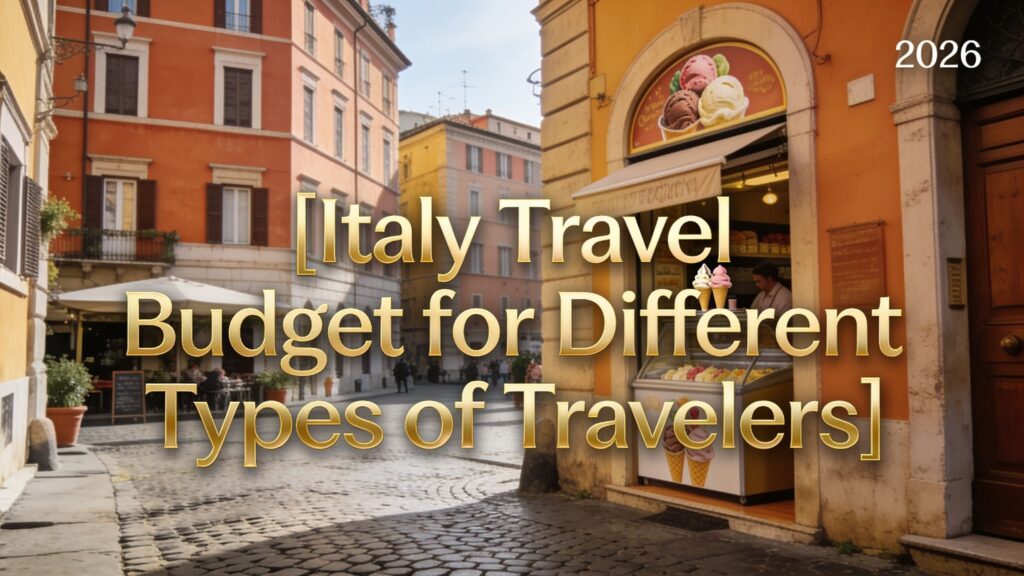
Italy Travel Budget for Different Types of Travelers
Solo Travelers
Solo travelers have greater flexibility and can often save money by staying in hostels, using public transportation, and joining group tours.
Estimated Daily Budget
- Budget: €70–€120
- Mid-Range: €150–€220
- Luxury: €350+
Couples
Couples can split accommodation and transportation costs, making Italy more affordable per person. Vacation rentals and boutique hotels are excellent choices for couples seeking comfort and value.
Estimated Daily Budget (Per Couple)
- Budget: €140–€220
- Mid-Range: €280–€450
- Luxury: €700+
Families
Families should budget for larger accommodations, attraction tickets, meals, and transportation. Renting an apartment with a kitchen can help reduce food expenses.
Estimated Daily Budget (Family of Four)
- Budget: €250–€400
- Mid-Range: €450–€700
- Luxury: €900+
Budget Planning Checklist
Before leaving for Italy, use this checklist to ensure your Italy Travel Budget is complete.
Before You Travel
- ✔️ Book flights early for better prices.
- ✔️ Reserve accommodation in advance.
- ✔️ Purchase travel insurance.
- ✔️ Check visa requirements if applicable.
- ✔️ Create a daily spending limit.
- ✔️ Exchange a small amount of currency before departure.
- ✔️ Download offline maps and travel apps.
- ✔️ Book popular attractions in advance.
- ✔️ Keep copies of important travel documents.
- ✔️ Set aside an emergency fund.
A little preparation can make your trip smoother and help you avoid unnecessary expenses.
Final Tips to Stay Within Your Italy Travel Budget
Managing your spending while traveling doesn’t mean sacrificing memorable experiences. Here are a few final recommendations:
- Travel during April, May, September, or October for better prices and pleasant weather.
- Compare hotel prices before booking.
- Use trains instead of domestic flights when possible.
- Eat at local restaurants away from tourist hotspots.
- Carry a reusable water bottle to reduce daily expenses.
- Take advantage of free attractions and walking tours.
- Track your expenses using a budgeting app.
- Leave room in your budget for unexpected costs.
By following these tips, you’ll enjoy Italy’s incredible history, cuisine, and landscapes while staying financially prepared.
Frequently Asked Questions
1. How much money do I need for a 7-day trip to Italy?
A budget traveler may spend around €700,€900, a mid-range traveler can expect €1,500,€2,100, while luxury travelers may spend €3,500 or more, excluding international flights.
2. Is Italy expensive for tourists?
Italy can be affordable or expensive depending on your travel style. Staying in budget accommodations, using public transportation, and eating at local restaurants can help reduce your Italy Travel Budget significantly.
3. What is the cheapest time to visit Italy?
The most affordable months are generally November through March (excluding the Christmas and New Year holiday period). Travelers can often find lower prices on flights and accommodations during this time.
Also Read;
Indonesia Island Hopping Guide: The Ultimate Adventure Across Paradise Islands
Conclusion
Planning a successful Italy Travel Budget is one of the most important steps before visiting one of Europe’s most beautiful destinations. Whether you’re traveling on a backpacker’s budget or planning a luxury vacation, understanding the costs of accommodation, transportation, food, sightseeing, shopping, and travel insurance will help you make smarter financial decisions.
With careful planning, early bookings, and practical money-saving strategies, Italy can be enjoyed without overspending. Create a realistic budget, prioritize the experiences that matter most, and leave some flexibility for unexpected adventures. No matter your travel style, Italy offers unforgettable memories that are well worth every euro spent.

